



192.168.l.254: Complete Router Login, Setup, Troubleshooting, and Security Guide
The IP address 192.168.l.254 is one of the most commonly searched router administration addresses used to access network settings, configure Wi-Fi, change passwords, and manage internet connections. Whether you are setting up a new router, troubleshooting connectivity issues, or improving network security, understanding how this address works is essential.
Many users search for 192.168.l.254 when they need immediate access to their router dashboard. However, confusion often arises because different manufacturers use different gateway addresses, and even a small typing mistake can prevent access. This comprehensive guide explains everything you need to know, from login procedures and configuration settings to advanced troubleshooting and security best practices.
Understanding What 192.168.l.254 Means
The address 192.168.l.254 refers to a private IP address commonly assigned as the default gateway for routers and networking devices. It serves as the management portal through which administrators control network settings and device configurations.
Private IP addresses exist within reserved ranges defined for internal networks. Unlike public IP addresses that operate on the internet, these addresses function only within local area networks, allowing users to securely access router settings without exposing administration tools to the public web.
Why People Search for 192.168.l.254
Most users encounter 192.168.l.254 when attempting to log into a router’s administration panel. Internet providers often include gateway information on router labels, installation manuals, or setup instructions.
Another common reason involves troubleshooting. When Wi-Fi performance drops, devices disconnect unexpectedly, or internet access becomes unreliable, accessing the router interface through this address often provides the tools needed to diagnose and resolve the problem.
The Difference Between 192.168.l.254 and 192.168.1.254
One of the most frequent mistakes involves confusing the letter “l” with the number “1”. Technically, valid IPv4 addresses contain numbers only, meaning 192.168.l.254 is usually a mistaken variation of 192.168.1.254.
This typo occurs because certain fonts make lowercase letters and numbers appear similar. Users who cannot access the router should first verify whether the correct gateway address is actually 192.168.1.254 rather than the commonly mistyped version.
How Router Gateway Addresses Work
Every router requires a local address that acts as the communication point between connected devices and the internet connection. This gateway address allows users to access administrative functions through a web browser.
When a device sends traffic intended for network management, the request is directed to the gateway. The router then displays its login page, where authorized users can make configuration changes and monitor network performance.
Common Router Brands Using Similar Addresses
Many router manufacturers utilize addresses close to 192.168.l.254 as default gateways. The exact address varies depending on the device model, firmware version, and internet service provider requirements.
Popular networking brands frequently use addresses such as 192.168.0.1, 192.168.1.1, or 192.168.1.254. Understanding these variations helps users identify the correct login destination when setup instructions are unclear.
Router Gateway Address Comparison
The following table highlights common default router IP addresses and their typical usage scenarios.
| Gateway Address | Common Usage | Typical Manufacturers | Purpose |
|---|---|---|---|
| 192.168.0.1 | Home routers | Various brands | Router administration |
| 192.168.1.1 | Residential networks | Multiple vendors | Network management |
| 192.168.1.254 | ISP-provided routers | Enterprise and consumer devices | Configuration portal |
| 10.0.0.1 | Cable internet gateways | Selected providers | Router settings |
| 192.168.100.1 | Modems and gateways | Broadband equipment | Diagnostics and setup |
This comparison illustrates that several private gateway addresses can perform similar administrative functions depending on the device configuration.
How to Access the Router Login Page
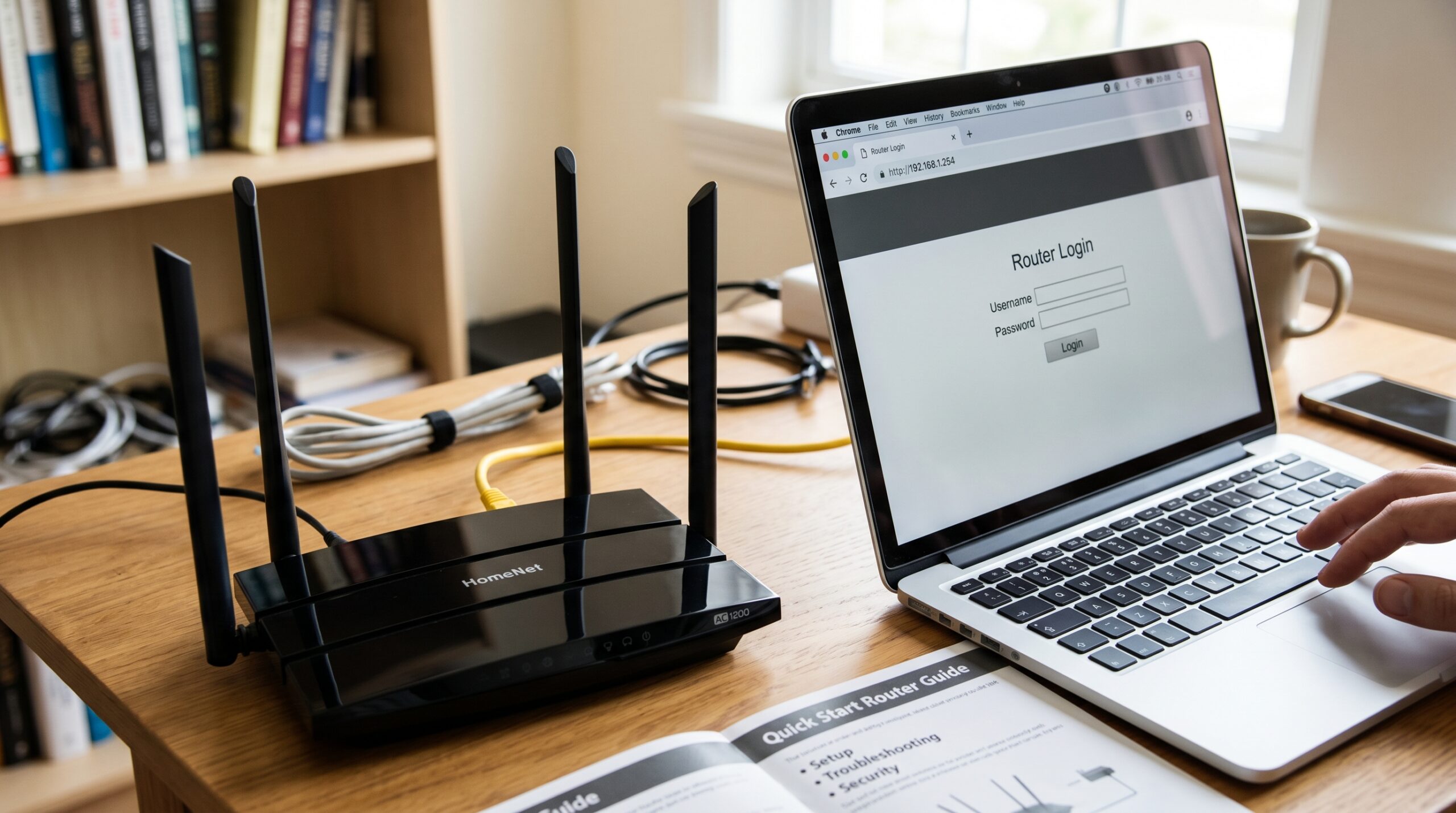
Accessing the management panel associated with 192.168.l.254 begins by connecting a device to the router through Wi-Fi or Ethernet. A stable connection ensures reliable communication with the router interface.
After opening a web browser, enter the gateway address into the address bar rather than a search engine. If the address is correct, the router login screen should appear and request administrative credentials.
Finding Your Actual Default Gateway
If the login page does not load, identifying the active gateway address becomes the next step. Different operating systems provide built-in tools for discovering this information.
Windows users can check network settings through Command Prompt, while macOS and Linux users can review network configuration details. The displayed default gateway reveals the exact address required for router access.
Router Login Credentials Explained
Routers ship with default usernames and passwords that allow initial access. Manufacturers often print these credentials on a label attached to the device or include them within setup documentation.
Many administrators change these credentials after installation. If customized login details have been forgotten, restoring factory settings may be necessary to regain administrative access.
Changing Wi-Fi Network Settings
Once logged in through the router interface, users can customize wireless network names and security settings. These changes help distinguish the network from neighboring Wi-Fi connections.
Updating Wi-Fi settings can also improve usability. A recognizable network name simplifies device management while strong encryption protects connected devices from unauthorized access.
Updating Router Passwords
Changing default passwords represents one of the most important security measures after accessing 192.168.l.254. Default credentials are widely documented and can create vulnerabilities if left unchanged.
Strong passwords should combine uppercase letters, lowercase letters, numbers, and symbols. This approach significantly reduces the likelihood of unauthorized administrative access.
Understanding DHCP and IP Assignment
Dynamic Host Configuration Protocol, commonly known as DHCP, automatically assigns local IP addresses to connected devices. Most routers enable this feature by default.
Through the administration dashboard, users can adjust DHCP settings, reserve addresses for specific devices, or modify the available IP address range to meet network requirements.
Managing Connected Devices
Modern routers provide detailed visibility into every device connected to the network. Users can review active sessions, identify unfamiliar devices, and monitor network activity.
This information helps diagnose performance issues and enhances security. Unknown devices can be disconnected or blocked directly from the router management interface.
Improving Wi-Fi Performance
Many network issues stem from interference, outdated settings, or poor router placement rather than internet service limitations. Administrative settings offer tools for optimizing wireless performance.
Adjusting channels, selecting appropriate frequency bands, and updating firmware can significantly improve coverage, speed, and reliability throughout a home or office environment.
Router Firmware Updates
Firmware acts as the operating system that controls router functionality. Manufacturers periodically release updates to address security vulnerabilities and improve performance.
Checking for firmware updates through the administration panel ensures that networking equipment remains secure and compatible with modern devices and communication standards.
Security Best Practices for Home Networks
Accessing 192.168.l.254 provides an opportunity to strengthen overall network security. Administrators should review settings regularly rather than waiting for issues to arise.
Key measures include changing default passwords, enabling strong encryption protocols, disabling unnecessary remote access features, and installing firmware updates whenever available.
Troubleshooting Login Problems
Users occasionally encounter difficulties when attempting to access router settings. Incorrect addresses, browser caching issues, and network connectivity problems are among the most common causes.
Verifying the gateway address, restarting networking equipment, and testing alternative browsers often resolve login issues quickly without requiring advanced technical knowledge.
When the Router Page Will Not Load
If entering 192.168.l.254 produces an error message, the router may use a different gateway address. Checking the device’s default gateway information can confirm the correct destination.
Physical connection problems can also prevent access. Loose Ethernet cables, disconnected Wi-Fi sessions, or malfunctioning hardware may interrupt communication between devices and the router.
Factory Reset Procedures
When administrative credentials are lost or configuration errors prevent proper operation, a factory reset can restore original settings. Most routers include a dedicated reset button.
Holding the reset button for the manufacturer-recommended duration clears customized settings and returns the device to its default configuration, including original login credentials.
Understanding Local Network Architecture
Home networks consist of interconnected devices communicating through a central gateway. The router manages traffic between local devices and external internet resources.
Administrative addresses such as 192.168.l.254 provide a centralized control point where users can monitor, configure, and optimize these communications efficiently.
Remote Access Features
Some routers support remote administration, allowing users to manage network settings from outside the local network. This feature can be convenient for advanced users and IT professionals.
Remote access introduces additional security considerations. Strong authentication methods and restricted access controls are essential when enabling external management capabilities.
Common Misconceptions About Router IP Addresses
Many users assume that gateway addresses connect directly to the internet. In reality, these private addresses function only within local networks and cannot be reached from public internet connections.
Another misconception is that all routers use identical addresses. Manufacturers frequently assign different defaults, making gateway verification an important troubleshooting step.
Future Trends in Router Management
Router interfaces continue evolving with cloud integration, mobile applications, and AI-assisted diagnostics. These innovations simplify network management while providing more sophisticated monitoring tools.
Despite these advancements, gateway access through addresses similar to 192.168.l.254 remains a foundational aspect of network administration and troubleshooting.
Expert Perspective on Router Administration
As networking technology becomes increasingly central to daily life, understanding router management provides valuable practical benefits. Even basic administrative knowledge can prevent hours of troubleshooting frustration.
A widely repeated networking principle captures this reality perfectly:
“A secure network begins with a properly configured router.”
This simple statement highlights why gateway access, password management, and routine maintenance remain essential components of modern digital security.
Conclusion
The address 192.168.l.254 is frequently associated with router administration, network configuration, and troubleshooting. In many cases, users actually intend to access 192.168.1.254, making address verification an important first step when login issues occur.
By understanding gateway addresses, login procedures, security practices, firmware updates, and troubleshooting methods, users gain greater control over their home or business networks. Whether you need to change Wi-Fi settings, improve security, monitor connected devices, or resolve connectivity problems, mastering router administration provides the foundation for a faster, safer, and more reliable network experience.
Read More: Do a Barrel Roll 10 Times: The Complete Guide to Google’s Famous Easter Egg
FAQ
What is 192.168.l.254?
192.168.l.254 is commonly searched as a router login address, although many users actually mean 192.168.1.254. It is associated with accessing router administration settings.
Why does 192.168.l.254 not open in my browser?
The most common reason is that the address contains the letter “l” instead of the number “1”. Verify the correct gateway address assigned to your router.
How do I find the correct router gateway instead of 192.168.l.254?
Check your device’s network settings and locate the default gateway field. This value identifies the exact address used by your router.
Can I change settings through 192.168.l.254?
If the address corresponds to your router’s gateway, you can manage Wi-Fi settings, passwords, connected devices, DHCP configuration, and security options.
What username and password should I use with 192.168.l.254?
Most routers use manufacturer-provided default credentials during initial setup. If those credentials have been changed, use the updated login information or perform a factory reset.
Is 192.168.l.254 safe to use?
Yes. Administrative gateway addresses operate within private local networks. Security depends on using strong passwords, updated firmware, and proper router configuration.
How often should I log into 192.168.l.254?
Periodic access is recommended to review security settings, install firmware updates, monitor connected devices, and ensure optimal network performance.