



steph curry injury Update 2026: Recovery Timeline, Impact on the Warriors, and Return Outlook
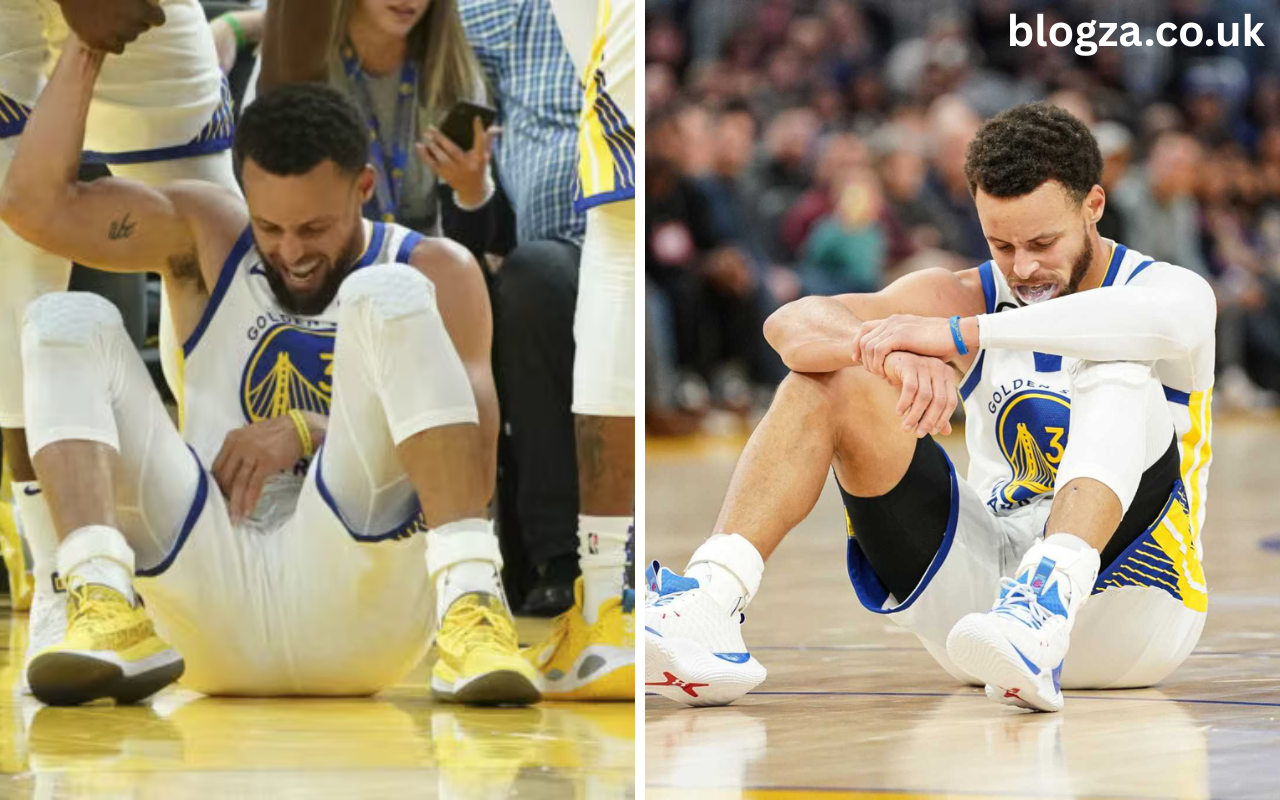
steph curry injury in 2026 has become one of the most closely followed topics in the NBA because of his importance to the Golden State Warriors. His knee issue developed gradually over time rather than through a single traumatic moment, which is common for elite athletes who play heavy minutes across long seasons. The condition has been linked to overuse and inflammation in the knee joint, which directly affects movement and performance stability.
This type of injury is particularly challenging because it does not always show immediate severe damage but instead builds discomfort over time. Curry experienced increasing stiffness and sensitivity in his knee, especially after games and intense practice sessions. As the symptoms progressed, the medical team decided to reduce his workload significantly to prevent long-term complications.
The Warriors have taken a careful approach, focusing on long-term health rather than short-term returns. Their priority is ensuring Curry fully recovers before returning to full-speed NBA action. This strategy reflects his importance not just for the current season but for the franchise’s future competitiveness.
How Stephen Curry’s Knee Injury Developed
Curry’s knee injury did not happen suddenly but rather developed through repeated stress and constant high-level performance. His playing style depends heavily on sharp cuts, quick acceleration, and continuous off-ball movement, all of which place strain on the knee joint. Over time, this repetitive pressure led to irritation in the patellofemoral area.
Early symptoms were mild and manageable, including occasional discomfort and stiffness after games. At that stage, it did not significantly affect his performance or availability. However, as the season continued, the symptoms became more noticeable and began to influence his movement patterns on the court.
Eventually, the discomfort reached a level where rest became necessary. Medical evaluations confirmed inflammation that required a structured recovery plan. This decision was made to ensure the issue did not progress into a more serious injury that could require longer rehabilitation or surgical intervention.
Impact of Stephen Curry Injury on the Golden State Warriors
The absence of Stephen Curry has had a major impact on the Golden State Warriors’ overall performance. As the team’s primary scorer and playmaker, his ability to stretch defenses and create offensive space is unmatched. Without him, opposing teams have been able to focus more on limiting other scoring options.
Offensively, the Warriors have had to adjust their system, relying more on ball movement and secondary scoring options. While the team still has talented players, replicating Curry’s shooting range and gravity is extremely difficult. This has led to inconsistent scoring runs and reduced offensive efficiency in certain games.
Beyond statistics, Curry’s leadership and presence on the floor are also missed. He plays a key role in maintaining composure during close games and late-game situations. Without him, the team has occasionally struggled with decision-making under pressure.
Rehabilitation Process and Recovery Progress
Curry’s rehabilitation has been carefully structured to allow gradual improvement without risking setbacks. The initial phase focused on reducing inflammation and managing pain through rest and controlled therapy. This stage is essential for stabilizing the knee before introducing basketball activity.
Once the swelling decreased, Curry began light on-court work, including shooting drills and controlled movement exercises. These sessions helped medical staff assess how the knee responds to basketball-related stress. Progress in this stage is an important indicator of readiness for more intense training.
In later stages, Curry progressed into more dynamic activities, including partial scrimmages and full-speed movement drills. These sessions simulate real-game conditions and are critical in determining whether a player can safely return to competition. Positive response at this stage suggests he is moving closer to a full comeback.
Expected Return Timeline for Stephen Curry
The return timeline for Stephen Curry remains cautious but optimistic. Early expectations suggested a shorter absence, but the complexity of knee inflammation extended the recovery process. As a result, the Warriors have avoided rushing him back into action.
Recent updates indicate steady improvement in his condition, with increased participation in practice environments. However, full clearance depends on consistent response to high-intensity movement without pain or swelling. The medical staff continues to evaluate his readiness daily.
If recovery continues smoothly, Curry is expected to return during a crucial late-season stretch. The goal is to ensure he is fully prepared for competitive games rather than returning prematurely. This approach prioritizes long-term performance over short-term appearances.
Long-Term Effects of the Injury on Curry’s Career
At this stage of his career, managing injuries becomes increasingly important for Stephen Curry. His style of play relies on precision, shooting efficiency, and movement rather than physical dominance, which allows him to remain effective even as he ages. However, knee health remains a key factor in maintaining his performance level.
The Warriors are likely to adopt a long-term load management strategy moving forward. This includes monitoring minutes, adjusting practice intensity, and ensuring recovery periods between games. These adjustments are designed to extend his career while maintaining peak performance.
Despite the injury concerns, Curry’s long-term outlook remains positive. His skill set, basketball intelligence, and shooting ability continue to make him one of the most impactful players in the league. With proper management, he can still perform at an elite level for several more seasons.
Fan and Media Reaction to the Injury Update
The reaction to Curry’s injury has been significant across both fans and media platforms. Many fans have expressed concern about his health and long-term durability, emphasizing the importance of protecting his career legacy. Supporters continue to follow every update closely.
Media discussions have focused on whether the Warriors should prioritize playoff competitiveness or long-term health. Some analysts believe returning too early could risk reinjury, while others argue his presence is essential for championship hopes. This ongoing debate highlights his importance to the team.
Despite differing opinions, the overall sentiment remains supportive. Fans continue to show patience and optimism, understanding that his recovery is crucial not just for the current season but for future success as well.
Read More: Olivia Munn Bikini: A Complete Look at Her Style, Confidence, and Public Presence
What Stephen Curry’s Injury Means for the Warriors Moving Forward
Curry’s injury highlights the importance of depth and long-term planning for the Golden State Warriors. His absence shows how heavily the team depends on his offensive leadership and how difficult it is to replace his impact on the court. This creates pressure on the roster to step up in his absence.
Moving forward, the Warriors may continue adjusting their system to reduce dependency on Curry during the regular season. This includes distributing offensive responsibilities more evenly and managing his workload more carefully to prevent future injuries.
Ultimately, the team’s championship hopes remain closely tied to Curry’s health. When fully fit, he transforms the Warriors into a top-tier contender. His recovery will play a defining role in shaping the direction and success of the franchise moving forward.