



The Dark Legacy of James Huberty: Anatomy of the 1984 McDonald’s Massacre
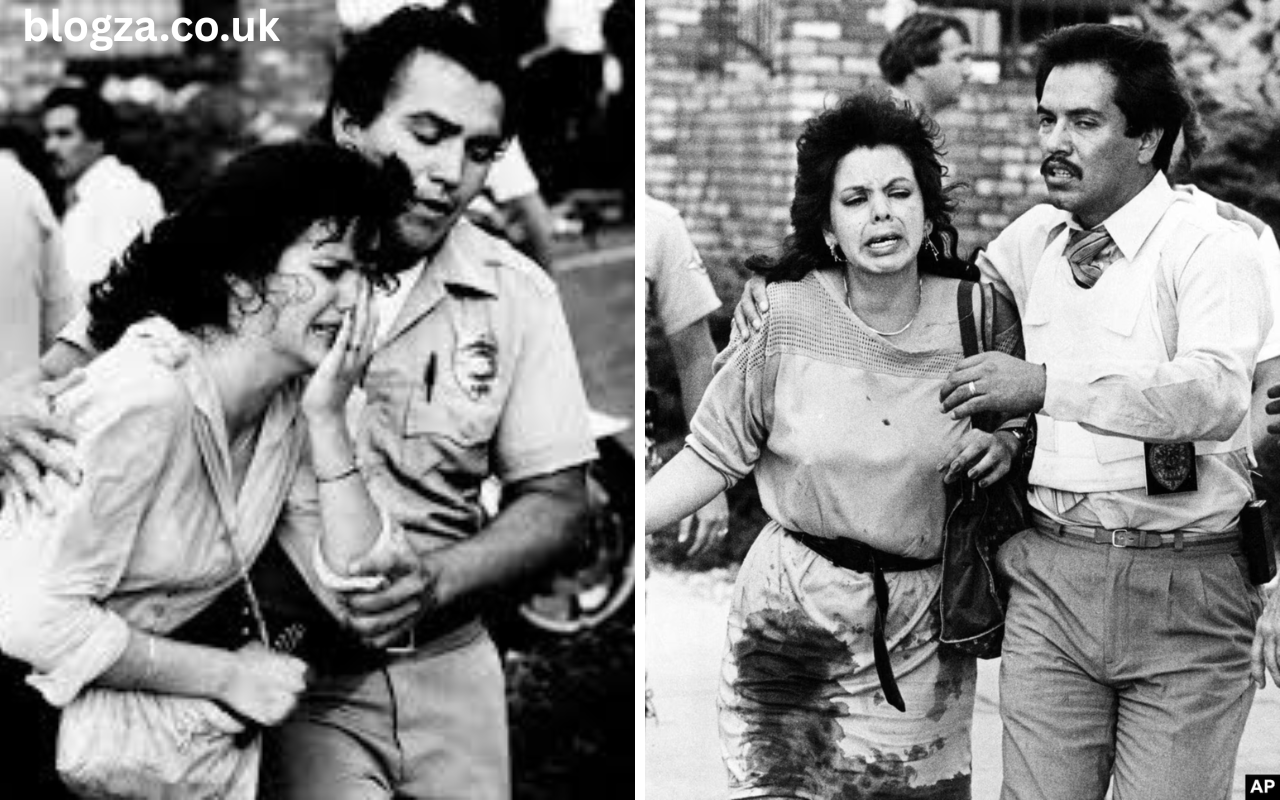
On a hot summer afternoon in July 1984, the bustling border community of San Ysidro, California, became the scene of one of the most harrowing massacres in modern American history. The name James Oliver Huberty, a previously unemployed welder and security guard, would be etched into the annals of crime as the perpetrator of the San Ysidro McDonald’s shooting. For 77 horrific minutes, Huberty held the power of life and death over innocent civilians, turning a family restaurant into a killing field. Understanding the life, psychological deterioration, and violent rampage of James Huberty is not merely an exercise in historical tragedy; it is a critical study of missed warning signs, mental health system failures, and the devastating impact of domestic terrorism before the term became common vernacular.
Quick Bio Table: James Oliver Huberty
| Attribute | Details |
|---|---|
| Full Name | James Oliver Huberty |
| Date of Birth | October 11, 1942 |
| Place of Birth | Canton, Ohio, USA |
| Date of Death | July 18, 1984 |
| Age at Death | 41 years old |
| Spouse | Etna Huberty (m. 1965) |
| Children | Two daughters (Zelia and Cassandra) |
| Occupation | Welder, Undertaker, Armed Security Guard |
| Known For | Perpetrator of the 1984 San Ysidro McDonald’s massacre |
| Weapon Used | Uzi carbine, pump shotgun, Browning pistol |
| Fatalities | 21 killed (including himself) |
| Injuries | 19 wounded |
Early Life and Troubled Beginnings
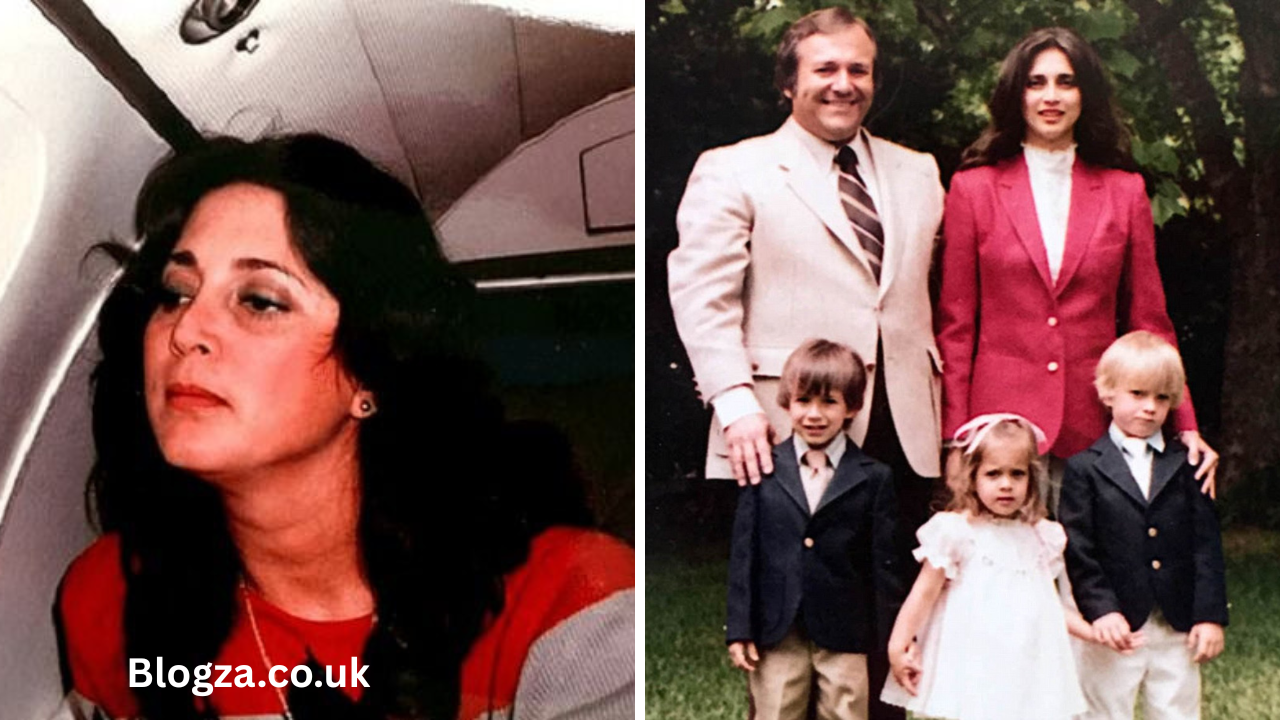
Born in Canton, Ohio, James Huberty’s early life was marked by physical and psychological struggles. At the age of three, he contracted polio, a debilitating disease that left him with a permanent limp and a lifelong sense of physical inadequacy. Despite this, he pursued higher education, attending a Jesuit college and later studying mortuary science. It was during this period that he met Etna, his future wife, and they married in 1965, eventually having two daughters.
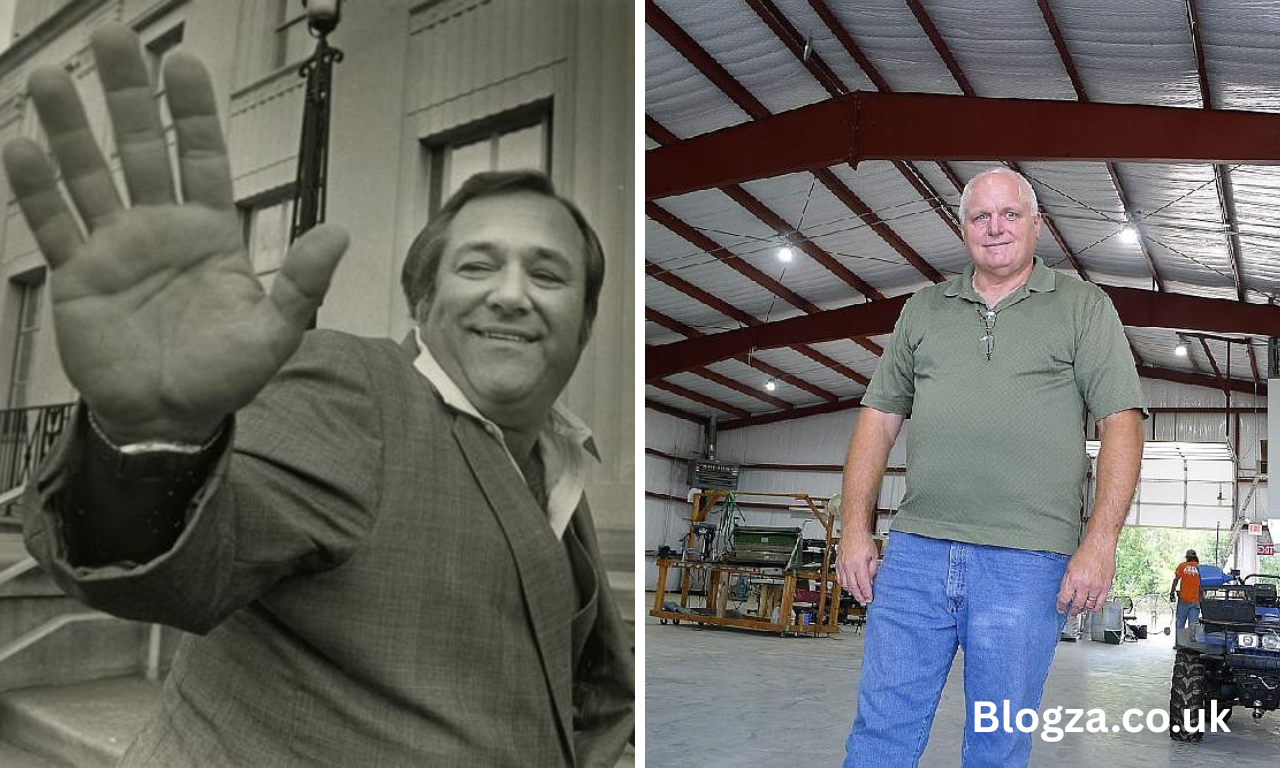
Professionally, Huberty struggled to find stability. He was fired from a position as an undertaker due to misconduct, and his behavior in Ohio alarmed neighbors. They described him as a volatile survivalist who hoarded firearms and ammunition. In one disturbing incident, he shot his own dog in his front yard to settle a dispute with a neighbor, demonstrating a chilling lack of empathy and a hair-trigger temper. Those who knew him recall a man who felt perpetually wronged by society, a resentment that would fester for years.
The Descent Into Violence
By the early 1980s, Huberty’s life was unraveling. A skilled welder, he lost his job during the severe recession of 1983. Believing better opportunities lay elsewhere, he moved his family from Ohio to Tijuana, Mexico, and eventually settled in the border town of San Ysidro, California. He briefly found work as an armed security guard, but the family remained under financial and emotional strain.
Huberty’s mental health deteriorated rapidly. He became increasingly withdrawn and paranoid, stockpiling weapons inside the home. His wife, Etna, later claimed he physically abused her, and his daughters lived in fear of his explosive moods. On July 17, 1984, just one day before the massacre, Huberty made a desperate but fateful call to a San Diego mental health clinic. He told the receptionist he was having thoughts about shooting people and needed help. Due to a clerical error, his name was misspelled as J. Shouberty, and his calm tone led the clinic to log the call as non-crisis. No one ever called him back.
The Final Day: July 18, 1984
The morning of the massacre, Huberty took his wife and daughters to the San Diego Zoo. During the trip, he made a cryptic remark to Etna: Well, society had their chance. After lunch at a different McDonald’s, the family returned home. Huberty then changed into a red t-shirt and camouflage pants. He approached his wife as she lay on the bed, kissed her, and said, I want to kiss you goodbye. I am going hunting. Hunting for humans. He then told his 12-year-old daughter, Zelia, Goodbye, I won’t be back.
At approximately 3:56 PM, Huberty entered a crowded McDonald’s restaurant located at the intersection of 12th Street and Palm Avenue. He was carrying a 9mm Uzi semi-automatic carbine, a Winchester 12-gauge pump-action shotgun, and a 9mm Browning semi-automatic pistol, all wrapped in a blanket. Upon entering, he ordered everyone to get down and immediately opened fire. He moved methodically, shooting at adults, teenagers, and children alike. The restaurant became a slaughterhouse as Huberty fired between 245 and 257 rounds over the next 77 minutes.
The Massacre and Police Response
Victims ranged from an eight-month-old infant to a 74-year-old man. Among the dead were three 11-year-old boys who had stopped at the restaurant on their bicycles, and a pregnant teenager who was shot 48 times while trying to shield her infant son. Both mother and child were killed. In total, 21 people lost their lives, and another 19 were wounded, many suffering life-altering injuries.
Police arrived within minutes of the first 911 calls, but they were immediately pinned down by Huberty’s relentless fire from inside the restaurant. Unable to advance, officers could only evacuate the surrounding area and wait for the SWAT team. Finally, a police sniper positioned himself on the roof of a nearby post office. At 5:17 PM, he fired a single shot through a window, striking Huberty in the chest and killing him instantly. The massacre ended not with a surrender, but with the death of the perpetrator.
Read More: The Complete Guide to Ariana Grande Perfume: Every Scent Explained Simply
Aftermath and Legacy
In the immediate wake of the shooting, the nation was stunned. At that time, it was the deadliest mass shooting by a lone gunman in United States history. The McDonald’s building was quickly demolished, as the community could not bear to look at it. Today, the site is home to a Southwestern College education center, designed as a living memorial. A monument of 21 hexagonal marble pillars stands on the grounds, each pillar representing one innocent life lost.
James Huberty’s family faced a different kind of devastation. His wife, Etna, was placed under psychiatric care and later filed lawsuits against McDonald’s and Huberty’s former employer, alleging they were responsible for the shooting. She died in 2003. The couple’s two daughters were placed into child protective services. In a rare 2015 interview, Zelia Huberty, then a 43-year-old nurse, broke her silence. She stated that if she could go back in time, she would have killed her father to prevent the massacre. She deliberately chose a career in healthcare to be the complete opposite of the man who raised her.
The tragedy of James Huberty is a stark reminder of how a single individual’s unchecked rage, combined with easy access to firearms and a failed mental health intervention, can shatter countless lives. The San Ysidro massacre changed American policing, active shooter response protocols, and the national conversation about warning signs and prevention. While the name James Huberty is one of infamy, the true legacy of July 18, 1984, belongs to the 21 victims and the survivors who have spent decades carrying the weight of that terrible afternoon.
For more in-depth historical true crime articles and analysis, visit my blog site blogza.