



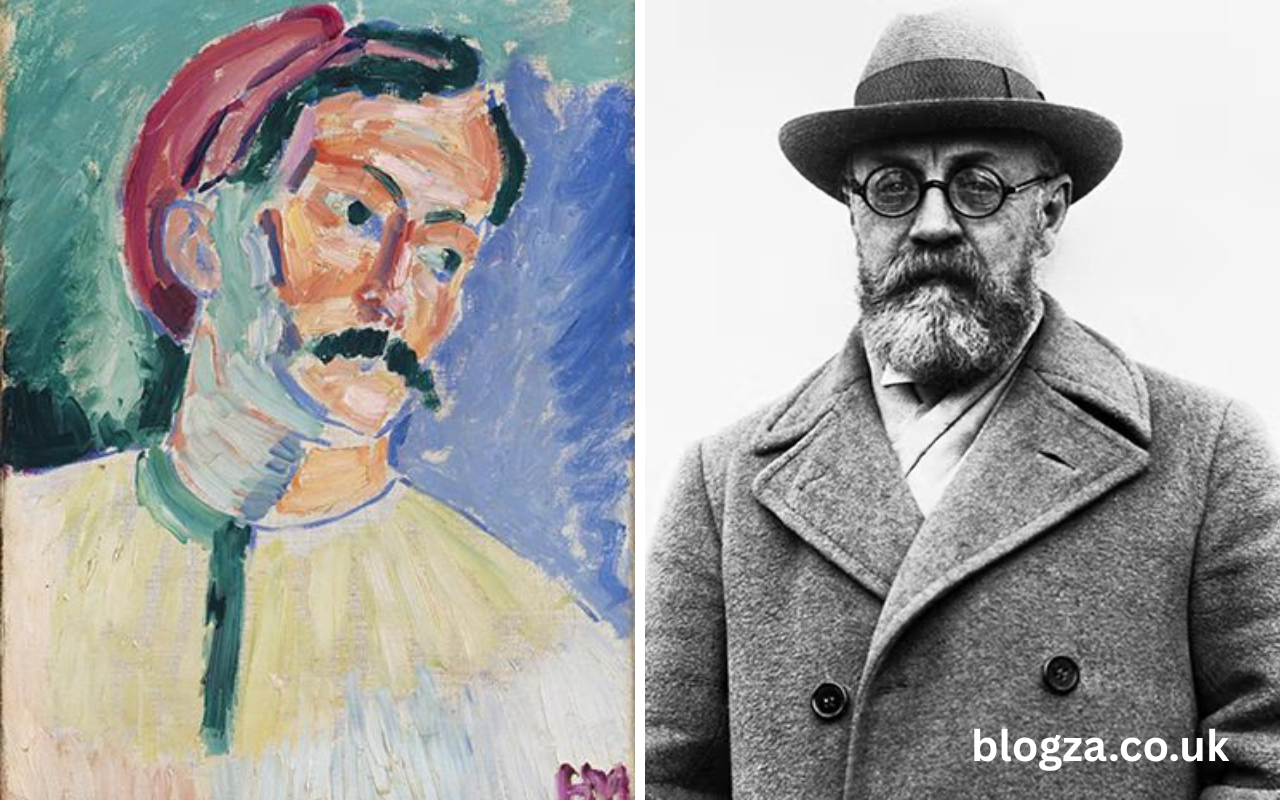
Henri Matisse Portrait: Exploring the Revolutionary Art of Modern Portraiture
The world of modern art would be impossible to discuss without mentioning Henri Matisse. Known for his bold use of color, innovative compositions, and fearless artistic experimentation, Matisse transformed the way people viewed painting in the twentieth century. Among his many contributions to art, portraiture stands as one of the most fascinating aspects of his career. The term “Henri Matisse portrait” encompasses a wide range of works that challenged traditional artistic conventions and introduced a fresh, expressive approach to representing human subjects.
Unlike classical portrait artists who aimed to create realistic depictions of their sitters, Matisse focused on emotion, color harmony, and artistic expression. His portraits often featured unusual color combinations, simplified forms, and vibrant brushwork that emphasized mood rather than precise likeness. Through these innovations, Matisse created some of the most recognizable portraits in modern art history.
Quick Bio Table
| Attribute | Details |
|---|---|
| Full Name | Henri Émile Benoît Matisse |
| Birth Date | December 31, 1869 |
| Birthplace | Le Cateau-Cambrésis, France |
| Death Date | November 3, 1954 |
| Nationality | French |
| Profession | Painter, Sculptor, Printmaker |
| Art Movement | Fauvism, Modern Art |
| Famous For | Bold Colors, Portraits, Cut-Outs |
| Notable Works | Woman with a Hat, The Green Stripe, The Dance |
| Artistic Style | Expressive Color, Simplified Forms |
Who Was Henri Matisse?
Henri Matisse was one of the leading figures of modern art. Born in northern France, he initially studied law before discovering his passion for painting. After recovering from an illness during his early twenties, he began exploring art seriously and eventually enrolled in formal art training.
Throughout his career, Matisse constantly experimented with new techniques and styles. While many artists sought to replicate reality, Matisse aimed to express feelings, emotions, and visual harmony. This artistic philosophy became especially evident in his portrait paintings.
Matisse’s work evolved significantly over time, but his commitment to color and expression remained constant. Whether painting landscapes, interiors, still lifes, or portraits, he consistently sought innovative ways to communicate beauty and emotion through art.
The Importance of Portraiture in Matisse’s Career
Portraiture occupied a central place in Matisse’s artistic development. Unlike commissioned portrait painters who focused primarily on capturing a person’s exact appearance, Matisse viewed portraits as opportunities to explore artistic ideas.
Many of his portraits featured family members, friends, fellow artists, and professional models. These familiar subjects allowed him to experiment freely with color, composition, and form without worrying about strict realism.
For Matisse, a portrait was not simply a record of someone’s face. It was an artistic interpretation that reflected both the subject and the artist’s emotional response. This approach helped redefine portrait painting for future generations.
The Influence of Fauvism on Henri Matisse Portraits
One cannot discuss a Henri Matisse portrait without understanding Fauvism. Fauvism emerged in the early twentieth century as a revolutionary art movement characterized by intense colors and expressive brushwork.
Matisse became the leading figure of this movement. The Fauves, meaning “wild beasts,” shocked audiences by abandoning traditional color schemes and embracing vibrant, unnatural hues.
In portraiture, this meant that faces could be painted green, blue, orange, purple, or red if those colors contributed to the emotional impact of the artwork. Rather than accurately reproducing skin tones, Matisse used color to create visual excitement and emotional depth.
This radical approach challenged conventional artistic standards and paved the way for many modern art movements that followed.
Woman with a Hat: A Landmark Portrait
One of the most famous Henri Matisse portraits is “Woman with a Hat,” painted in 1905. The portrait depicts his wife, Amélie Matisse, and became one of the defining works of Fauvism.
When the painting was first exhibited, critics were astonished by its vibrant colors and unconventional style. Instead of realistic flesh tones, Matisse used a variety of bold colors across the face and clothing. The brushwork appeared loose and spontaneous, creating a sense of energy and movement.
Although initially controversial, “Woman with a Hat” is now regarded as a masterpiece that marked a turning point in modern art history. The painting demonstrated that color itself could become the primary subject of a portrait.
The Green Stripe: A Revolutionary Masterpiece
Another iconic Henri Matisse portrait is “The Green Stripe,” also known as “Portrait of Madame Matisse.” This painting remains one of the most recognizable images in modern art.
The portrait features a bold green stripe running vertically down the center of Amélie Matisse’s face. Rather than using traditional shading techniques, Matisse divided the face through contrasting colors.
The result is a portrait that appears both abstract and deeply expressive. The painting challenged viewers to reconsider their expectations of realism and demonstrated the power of color as an independent artistic element.
Today, “The Green Stripe” is considered one of the most important portraits of the twentieth century.
Matisse’s Use of Color in Portraits
Color was perhaps the most important element in Matisse’s artistic vocabulary. His portraits reveal an extraordinary understanding of how colors interact with one another.
Instead of using color to imitate nature, Matisse used it to create emotional and visual effects. Warm colors such as red, orange, and yellow often conveyed energy and vitality, while cool colors such as blue and green created balance and contrast.
His innovative use of color transformed portraiture from a representational art form into an expressive medium capable of communicating feelings and atmosphere.
Many contemporary artists continue to study Matisse’s color theories and apply them in their own creative work.
Simplification of Form
Another defining characteristic of a Henri Matisse portrait is the simplification of form. Matisse believed that reducing objects to their essential shapes could create stronger artistic compositions.
In many portraits, facial features are simplified rather than meticulously detailed. Eyes, noses, and mouths may appear stylized, yet they remain expressive and recognizable.
This simplification allows viewers to focus on the overall composition rather than individual details. It also contributes to the sense of harmony that characterizes much of Matisse’s work.
By eliminating unnecessary complexity, Matisse created portraits that feel timeless and universally appealing.
Portraits of Family and Friends
Many of Matisse’s most successful portraits featured people who were close to him. His wife Amélie, his children, and close friends frequently appeared in his paintings.
Because he knew these individuals intimately, Matisse was able to move beyond superficial likeness and capture aspects of their personality through color and composition.
His portraits of family members reveal warmth, affection, and familiarity. They also demonstrate his willingness to experiment artistically while maintaining a deep connection to his subjects.
These works provide valuable insight into both Matisse’s personal life and artistic development.
The Psychological Dimension of Matisse Portraits
Although Matisse emphasized color and design, his portraits often possess a strong psychological presence. The simplified faces and expressive colors invite viewers to interpret the emotions and personalities of the subjects.
Rather than explicitly depicting specific emotions, Matisse created portraits that encourage contemplation. The viewer becomes an active participant in the artistic experience, interpreting meaning through visual relationships and emotional responses.
This psychological complexity contributes to the enduring appeal of Matisse’s portraiture.
Evolution of Matisse’s Portrait Style
Matisse’s portrait style evolved significantly throughout his career. His early works displayed greater realism and academic influence, while later paintings became increasingly experimental.
During the Fauvist period, he embraced bold colors and expressive brushwork. In subsequent years, his portraits became more refined and decorative, reflecting his growing interest in pattern and design.
Despite these changes, certain elements remained consistent. His commitment to color, harmony, and emotional expression continued to define his portraiture until the end of his life.
This evolution demonstrates Matisse’s remarkable ability to innovate while maintaining a coherent artistic vision.
Influence on Modern Art
The influence of Henri Matisse portraits extends far beyond his own lifetime. His experiments with color and form inspired generations of artists across multiple disciplines.
Expressionists, abstract painters, graphic designers, illustrators, and contemporary portrait artists have all drawn inspiration from Matisse’s work. His belief that color could function independently of realism fundamentally changed the course of modern art.
Many artistic movements that emerged throughout the twentieth century owe a significant debt to Matisse’s pioneering achievements.
Today, his portraits remain essential references for anyone studying modern painting.
Why Henri Matisse Portraits Remain Popular
More than a century after many of his most famous portraits were painted, Matisse’s work continues to attract audiences worldwide.
Several factors contribute to this lasting popularity. His use of vibrant colors feels fresh and contemporary even today. His simplified forms make his work accessible to viewers of all backgrounds. His portraits communicate emotion without relying on excessive detail.
Additionally, the universal themes explored in his work—identity, beauty, emotion, and human connection—remain relevant across generations.
Museums around the world continue to showcase Matisse’s portraits as examples of artistic innovation and creative freedom.
Lessons Artists Can Learn from Matisse Portraits
Modern artists can learn valuable lessons from studying Henri Matisse portraits.
First, Matisse demonstrates the importance of experimentation. He was willing to challenge conventions and explore new possibilities.
Second, he shows how color can become a powerful expressive tool. Rather than simply describing reality, color can create mood, emotion, and visual harmony.
Third, Matisse teaches the value of simplification. By focusing on essential elements, artists can create stronger and more memorable compositions.
These lessons continue to inspire artists working in both traditional and digital media.
Read More: Will Smith Glasses: The Evolution of an Iconic Eyewear Style
Conclusion
The story of the Henri Matisse portrait is ultimately a story of artistic revolution. Through his bold use of color, simplified forms, and innovative compositions, Matisse transformed portrait painting into a powerful vehicle for emotional and visual expression. His masterpieces such as “Woman with a Hat” and “The Green Stripe” challenged conventional ideas of realism and helped establish modern art as a major cultural force.
Today, Matisse’s portraits continue to captivate audiences, inspire artists, and influence contemporary visual culture. Their enduring appeal lies not only in their beauty but also in their ability to communicate emotion and creativity in ways that remain fresh and relevant. At Blogza, the legacy of Henri Matisse serves as a reminder that true artistic innovation comes from the courage to see the world differently.