
The Truth About Instagram Growth: Lessons from Belle Gibson’s Digital Presence
Who Is Belle Gibson and Why Her Instagram Story Matters
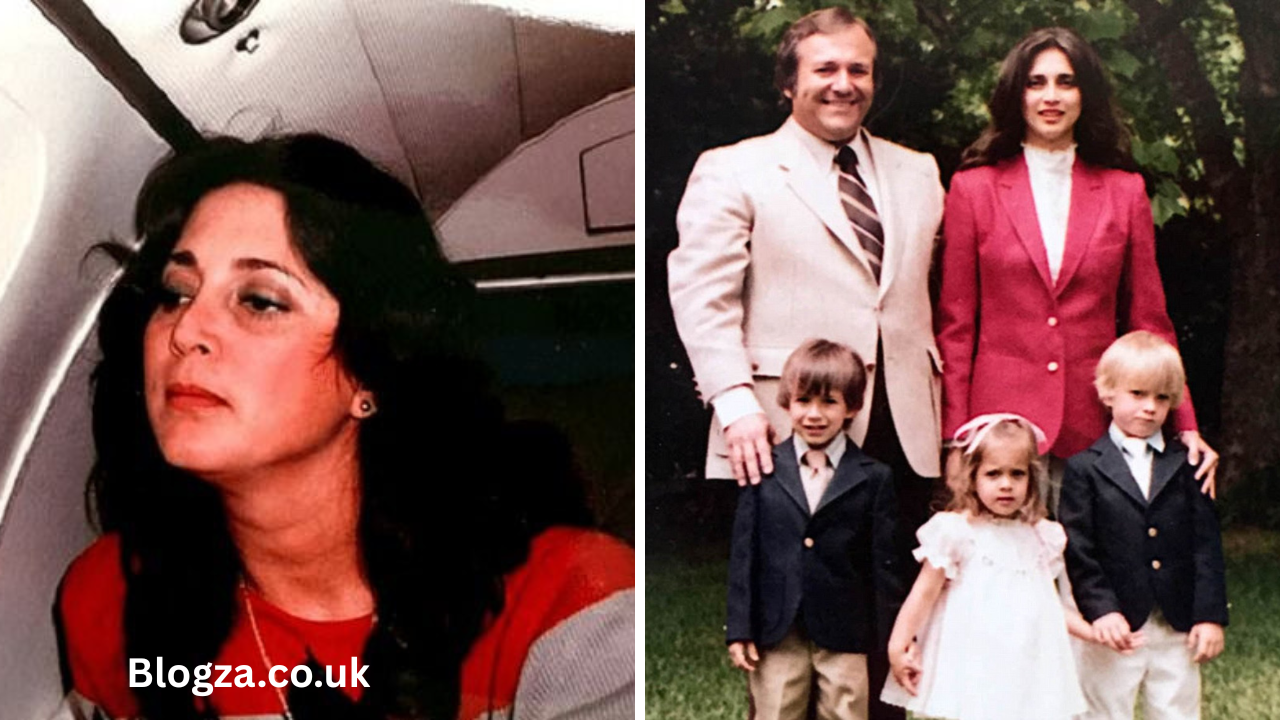
Belle Gibson rose to digital fame in the early 2010s through her wellness app The Whole Pantry and her accompanying Instagram presence. She built a massive following by sharing her personal journey with terminal brain cancer, claiming to have healed herself through clean eating, alternative therapies, and natural living. Her Instagram account became a sanctuary for thousands of followers seeking hope, health advice, and emotional connection. The visual aesthetic was warm and aspirational, featuring nourishing meals, nature shots, and intimate captions that made followers feel like they were part of her healing journey. At its peak, her influence extended to a cookbook deal, partnerships with major brands like Apple, and a devoted community that trusted her every word.
However, the fairy tale crumbled in 2015 when an investigation revealed that Gibson had never been diagnosed with cancer. She had fabricated her entire medical history, using the illusion of terminal illness to build a wellness empire. Her Instagram account, once a source of inspiration, became evidence of a calculated deception. Followers felt betrayed, and the story sparked global conversations about the dangers of wellness influencers who lack medical credentials. The fallout was severe, including legal fines and a permanent stain on her digital legacy. Today, her Instagram presence is largely dormant or erased, but the case remains a defining cautionary tale for the social media age.
Understanding Belle Gibson’s Instagram story is not about glorifying her actions. It is about recognizing how quickly trust can be built online and how devastatingly fast it can be destroyed. For modern creators, her rise and fall offer critical lessons in transparency, accountability, and the ethical responsibilities that come with influence. In an era where followers crave authenticity more than ever, the Gibson case reminds us that engagement built on lies is never sustainable. The algorithms may reward viral moments, but only honesty creates lasting community.
The Rise of Wellness Influencers and Instagram’s Role in Amplifying Voices
The early to mid 2010s marked a golden age for wellness influencers on Instagram. The platform’s visual nature made it the perfect medium for sharing clean meals, yoga poses, and holistic living tips. Belle Gibson arrived at exactly the right moment, when audiences were hungry for alternatives to conventional medicine and eager to follow charismatic figures who promised control over their own health. Instagram’s algorithm at that time rewarded frequent posting and high engagement, both of which Gibson excelled at. Her captions were deeply emotional, often describing her supposed battles with seizures, brain swelling, and the triumph of natural healing. Each post generated thousands of comments filled with prayers, gratitude, and personal stories from followers who saw her as a hero.
Instagram’s design amplified Gibson’s reach without any verification mechanisms to check her claims. Unlike traditional media, where fact-checkers and editors exist, social media allowed her to speak directly to millions without oversight. The platform’s emphasis on storytelling over sourcing meant that emotional resonance mattered more than medical accuracy. Hashtags like #cleanse, #healing, and #wholefoods connected her to broader wellness communities, creating an echo chamber where her narrative thrived. Other influencers shared her content, brands sponsored her posts, and the algorithm rewarded this activity by pushing her profile to even more users. At no point did Instagram intervene to question whether a terminal cancer patient looked too healthy or whether her medical claims held any scientific basis.
This era fundamentally changed how people consume health information. Before Instagram, most individuals relied on doctors, nutritionists, or reputable publications. Gibson’s story proved that a pretty grid and a compelling personal story could override decades of medical training. Today, Instagram has introduced fact-checking labels, content moderation policies, and stricter rules around medical misinformation. But the damage from the wellness influencer boom remains. Many users still struggle to distinguish between genuine experts and charismatic storytellers. The Gibson case serves as a permanent reminder that Instagram is a powerful amplifier, but it does not verify truth. Users must carry that responsibility themselves.
How Belle Gibson Built Trust Through Emotional Storytelling and Visual Aesthetics
Belle Gibson’s Instagram success did not happen by accident. She understood intuitively what many brands spend years learning: trust is built through consistent emotional resonance. Her feed followed a deliberate visual strategy, using warm natural lighting, earth tones, and intimate close-ups of food and nature. This aesthetic signaled authenticity, warmth, and a return to simplicity. Every photograph felt personal, as if followers were peeking into a private journey of survival. The captions matched this tone, written in a vulnerable first-person voice that described pain, hope, and small victories. She never sounded like a salesperson. She sounded like a friend sharing her hardest days. That voice is exactly what makes influencers powerful and exactly what makes deception so damaging when exposed.
Beyond the visuals, Gibson mastered the art of selective vulnerability. She shared just enough hardship to feel real but never so much that followers doubted her ability to heal. She described specific struggles, like the difficulty of digesting certain foods or the exhaustion of hospital visits, but always framed them within a narrative of triumph. This created a powerful emotional arc where followers invested deeply in her continued survival. Every update about a good day or a new recipe felt like a shared victory. The comment sections filled with messages like “you inspire me to keep going” and “thank you for showing me there is another way.” This level of emotional engagement is the holy grail of social media, but Gibson achieved it through fabrication rather than genuine experience.
Modern creators can learn from Gibson’s techniques without replicating her dishonesty. Emotional storytelling works. Visual consistency works. Vulnerability works. The difference is that ethical creators ground these tools in truth. You can share your real struggles with anxiety, real failures in business, or real health challenges without inventing cancer. Gibson proved that the human brain craves narrative and connection. When you provide those things honestly, your audience will reward you with loyalty that lasts. When you lie, you may grow fast, but you will fall harder. The lesson is not to avoid emotional marketing. The lesson is to ensure every tear, every triumph, and every transformation you share is rooted in reality.
The Fallout and Legal Consequences of Deceptive Instagram Influence
When the truth about Belle Gibson emerged, the consequences were swift and severe. An investigation by Australian journalist Beau Donelly and Nick Toscano for The Age newspaper uncovered that Gibson had never been diagnosed with any form of cancer. Medical records did not exist. Doctors she named had never treated her. The entire narrative was a fabrication. Her Instagram account, which had been a source of comfort for thousands, suddenly became a crime scene of emotional manipulation. Followers expressed rage, grief, and deep betrayal. Many had changed their diets, abandoned medical treatments, or sent her money based on her lies. The psychological damage to her community was immeasurable, and the public backlash was instantaneous.
Legally, Gibson faced significant repercussions. In 2017, she was found guilty of five counts of misleading and deceptive conduct by the Federal Court of Australia. She was ordered to pay a fine of four hundred ten thousand Australian dollars for breaching consumer law. The court found that she had knowingly misled consumers about her cancer diagnosis and her charitable donations. She had claimed to donate portions of her app sales to various charities, but investigations revealed that only a tiny fraction of the promised money had ever been sent. This combination of health fraud and charity fraud made her case particularly egregious. Unlike many online controversies that fade away, Gibson’s story resulted in actual legal penalties and a permanent ban from managing corporations in Australia for several years.
The Gibson case changed how Australian regulators view social media influencers. Prior to this, most legal actions focused on traditional advertising. Gibson proved that an Instagram account could function as a commercial enterprise subject to consumer protection laws. Today, influencers in Australia and many other countries must be careful about health claims, charitable solicitations, and personal testimonials. The legal principle is clear: lying to your followers for financial gain is fraud, regardless of the platform. Gibson’s inability to pay the full fine, citing lack of funds, added another layer of irony to a story about supposed abundance and healing. Her fall demonstrates that Instagram fame without integrity is not just morally wrong but legally dangerous.
Lessons for Modern Creators on Authenticity and Ethical Engagement
Every Instagram creator in 2026 can learn something valuable from Belle Gibson’s rise and fall. The most important lesson is that authenticity is not just a marketing buzzword but a survival strategy. Audiences today are more skeptical than ever. They have witnessed too many influencers exposed for fake vacations, edited bodies, and fabricated success stories. The algorithm may reward engagement, but sustained growth requires trust. When you consistently tell the truth, even when it is boring or imperfect, you build a foundation that no scandal can shake. Gibson grew fast but collapsed entirely. A slower, honest creator will outlast her every time.
Another critical lesson involves the boundaries between personal story and professional advice. Gibson blurred these lines catastrophically, presenting medical misinformation as personal testimony. Modern creators must ask themselves: am I qualified to give this advice? If you are sharing recipes, that is fine. If you are telling people to stop chemotherapy, that is dangerous and potentially illegal. Instagram’s current guidelines explicitly restrict medical misinformation, and accounts that violate these rules risk shadowbanning or permanent removal. Even beyond platform policies, there is a moral responsibility. Your followers may act on your words. If you suggest a detox tea instead of antibiotics, someone could get seriously hurt. Ethical creators know where their expertise ends and where doctors, therapists, or financial advisors should take over.
Finally, the Gibson story teaches us about the danger of building a personal brand entirely on victimhood and suffering. When your entire identity is tied to overcoming a tragedy, you create a perverse incentive to prolong or exaggerate that tragedy. This is not unique to Gibson. Many influencers stretch the truth about their struggles because vulnerability sells. The healthiest approach is to build your brand on multiple pillars: your skills, your passions, your humor, and your genuine experiences. If your only content is about how sick or struggling you are, you will eventually run out of authenticity. Diversify your content. Show your ordinary days. Let your audience love you for who you actually are, not for the dramatic story you can tell.
How to Verify Health and Wellness Claims Before Sharing or Believing
One of the most practical lessons from the Belle Gibson case is the importance of verification. As a consumer of Instagram content, you have the power to fact-check before you trust or share. The first step is to look for credentials. Is the person sharing cancer advice an oncologist or a nutritionist? In many places, the title “nutritionist” is unregulated, while “dietitian” requires a license. Always check the bio and look for links to professional registries. If someone claims to have survived a specific illness, look for consistency in their story. Do they mention specific hospitals, doctors, or treatment dates? Vague claims like “the doctors said I had six months” without any verifiable details are red flags. You can also reverse image search their photos to see if they are stolen from other sources.
For creators who want to avoid Gibson’s mistakes, verification works in reverse. If you share health information, always cite credible sources. Link to peer-reviewed studies, government health websites, or statements from major medical associations. Instagram allows you to add links in your bio, stories, and posts, so use those features to direct followers to evidence. If you share a personal health journey, be clear about what is fact and what is opinion. Say “I chose to try this diet” rather than “this diet cures disease.” The language you use matters enormously. Claims of curing, healing, or reversing serious illnesses should never be made without robust evidence. When in doubt, consult a lawyer or a medical professional before posting. The cost of legal advice is far lower than the cost of a fraud lawsuit.
Additionally, pay attention to Instagram’s own warning labels and fact-checking partnerships. The platform works with third-party fact-checkers who review content about COVID-19, vaccines, cancer treatments, and other health topics. If you see a warning label on a post, take it seriously. Do not share that post further. You can also report misleading health content directly through the three-dot menu on any post. By reporting, you help protect other users from potential harm. In the years since Gibson, Instagram has introduced stricter policies, but the platform is not perfect. Ultimately, the responsibility rests with you. Treat every health claim on Instagram with healthy skepticism. Verify before you trust. Verify before you share. Your health and the health of your community depend on it.
Building a Sustainable Instagram Presence Without Deception
Creating a lasting Instagram presence in 2026 requires rejecting the shortcuts that tempted Belle Gibson. Sustainable growth comes from consistency, value, and genuine connection. Start by defining your niche honestly. If you love cooking healthy meals, post recipes. If you are recovering from a real injury, document your physiotherapy journey. Do not invent a dramatic backstory to gain followers faster. The followers you gain through lies will leave you faster than they arrived. Instead, focus on providing tangible value. Educational content, entertaining videos, and behind-the-scenes glimpses of your real life will attract people who appreciate the actual you. These followers may come more slowly, but they will stay for years.
Another pillar of sustainable Instagram presence is transparency about partnerships and sponsorships. Gibson hid her commercial motives behind a veil of altruism. Modern regulations require clear disclosure. Use the paid partnership tag when promoting brands. Write “ad” or “sponsored” clearly in your captions. Do not bury disclosures in a sea of hashtags or place them at the very end of a long caption where no one will see them. Your audience will respect you more for being upfront about how you make money. In fact, studies consistently show that transparent influencers enjoy higher trust and engagement rates than those who hide their commercial relationships. Honesty about money builds credibility.
Finally, sustainable Instagram success requires resilience in the face of slow growth. Gibson wanted fame and fortune immediately. When you are patient, you give yourself room to grow authentically. You can experiment with different content styles, learn from mistakes, and gradually refine your voice. You do not have to perform a perfect life every day. You can share failures, quiet days, and moments of doubt. These posts often perform better than highlight reels because they feel real. The algorithm may not always reward vulnerability with viral reach, but real humans will reward you with loyalty. Over months and years, that loyalty translates into a community that supports your work, buys your products, and defends your name if controversy ever arises. That is the kind of success no scandal can erase.
Red Flags to Spot Fake Influencers and Misleading Wellness Accounts
Knowing how to spot a fake influencer protects you from emotional manipulation and financial scams. The Belle Gibson case offers several clear red flags that remain relevant today. The first red flag is a miraculous recovery story that lacks medical documentation. If someone claims to have cured themselves of an incurable disease using only diet or positive thinking, be suspicious. Terminal cancers do not vanish because someone drank celery juice. Autoimmune diseases do not disappear because someone meditated. These stories are almost always exaggerations or complete fabrications. Real medical recoveries involve doctors, scans, blood work, and usually a combination of treatments. An influencer who never mentions their medical team or refuses to name their hospital is hiding something.
The second red flag is an inability to provide receipts for charitable claims. Gibson promised donations but delivered almost nothing. If an influencer claims to be raising money for a cause, look for transparency. Do they name the specific charity? Do they provide screenshots of donation confirmations? Do they follow up with posts showing exactly how much was sent and when? Legitimate fundraisers are happy to share this information because it builds trust. Fake fundraisers become vague, defensive, or emotional when asked for details. You can also look up the charity on sites like Charity Navigator or the Better Business Bureau to verify that it exists and that the influencer has any formal relationship with it.
The third red flag is a refusal to engage with critical questions. Authentic influencers welcome respectful discussion. Fake influencers block or delete anyone who asks for evidence. Notice how Belle Gibson’s social media became more guarded and defensive as journalists closed in on her story. If you ask a simple question like “which hospital diagnosed you?” or “can you share a link to that study?” and the influencer attacks you or deletes your comment, you have your answer. Real experts are happy to cite sources. Real patients are usually open about their treatment locations. Do not let emotional storytelling override your logical mind. If something feels too miraculous to be true, it probably is. Trust your instincts, and do not be afraid to unfollow accounts that trigger your suspicion.
Read More: Kayla Varner: The Record-Breaking Athlete and Power Behind Bryce Harper
Protecting Your Own Mental Health While Following Wellness Content
Following wellness influencers can be inspiring, but it can also damage your mental health if you are not careful. Belle Gibson’s content, before the truth emerged, made thousands of people feel inadequate. They wondered why they could not heal their own bodies with smoothies and positive thinking. They felt guilty for trusting doctors. They compared their real, messy lives to her curated, fictional perfection. This is the hidden harm of fake wellness content. Even before the lies are exposed, the comparison game erodes self-esteem. You may start believing that your health struggles are your fault because you are not trying hard enough. That belief is never true. Real health is complex, and no Instagram post can capture that complexity.
To protect yourself, practice critical consumption. Remind yourself regularly that Instagram is a highlight reel, not a full picture. Even authentic influencers share only a fraction of their lives. They do not post about their boring afternoons, their arguments with partners, or their failed experiments. When you feel envy or inadequacy rising, close the app and do something tangible in your real life. Cook a meal you enjoy, call a friend, or go for a walk without documenting it. These real-world activities ground you in reality. They remind you that your worth has nothing to do with how many likes you get or how closely your life resembles an influencer’s grid.
Another protective strategy is curating your feed ruthlessly. Unfollow any account that consistently makes you feel anxious, jealous, or hopeless. Follow more accounts that share realistic content, including imperfections, failures, and ordinary days. Look for creators who openly discuss their own struggles with comparison and mental health. These voices provide a necessary counterbalance to the perfectionism that dominates wellness spaces. Remember that Belle Gibson fooled millions because she looked perfect. Do not let the next smoothie-drinking, yoga-posing influencer fool you. Keep your skepticism healthy. Keep your expectations low. And always prioritize your real health over your online inspiration. The best wellness advice is often the simplest: eat reasonably, move your body, sleep enough, and talk to a real doctor when you are sick. No Instagram filter can improve on that.