



Sable Starr: The Untold Story of a 1970s Rock Scene Icon and Her Complex Legacy
Sable Starr remains one of the most discussed and controversial figures connected to the 1970s Los Angeles rock scene. Often associated with the glam rock era and Sunset Strip nightlife, she became widely known as part of a youth-driven subculture that revolved around music, fame, and celebrity musicians. Her presence in this world has been retold in books, documentaries, and cultural commentary for decades.
During the peak of the 1970s rock movement, the Los Angeles music scene was a magnet for young fans, aspiring artists, and influential bands. Sable Starr’s name became linked with this environment, where boundaries between performers and fans were often blurred. She was frequently mentioned in stories about the lifestyle surrounding rock clubs and backstage culture.
Over time, her story evolved into a symbol of both the glamour and the darker realities of rock history. While some remember her as a cultural figure of her time, others view her life as an example of the complicated and often unsafe dynamics that existed in the entertainment world during that era.
Early Life and Background of Sable Starr
Sable Starr was born as Sabel Hay Shields in the United States in 1957. She spent her early years in California, where she was exposed to the cultural changes of the late 1960s and early 1970s. This period was marked by shifting music styles, counterculture movements, and a growing youth rebellion that influenced many teenagers of her generation.
As a young teenager, she began exploring the nightlife of Los Angeles, especially areas connected to music and entertainment. Her interest in rock music and the lifestyle surrounding it led her to venues where musicians and fans often interacted closely. This environment played a major role in shaping her identity and public image.
By her early teens, she was already known in small social circles connected to the Sunset Strip scene. Her early exposure to this world set the foundation for her later recognition in rock culture, where she became a familiar name among musicians, photographers, and club regulars.
Rise in the Sunset Strip Rock Scene
Sable Starr’s rise in the Sunset Strip scene began when she started regularly attending iconic music venues in Los Angeles. Clubs such as the Whisky a Go Go and the Rainbow Bar and Grill were central to her social life, placing her in close proximity to some of the most influential rock bands of the time.
She became part of a group of young fans who were frequently present at concerts, backstage events, and industry gatherings. This group was often referred to in media coverage as part of the “groupie” culture, a term that later became widely debated due to its implications and associations.
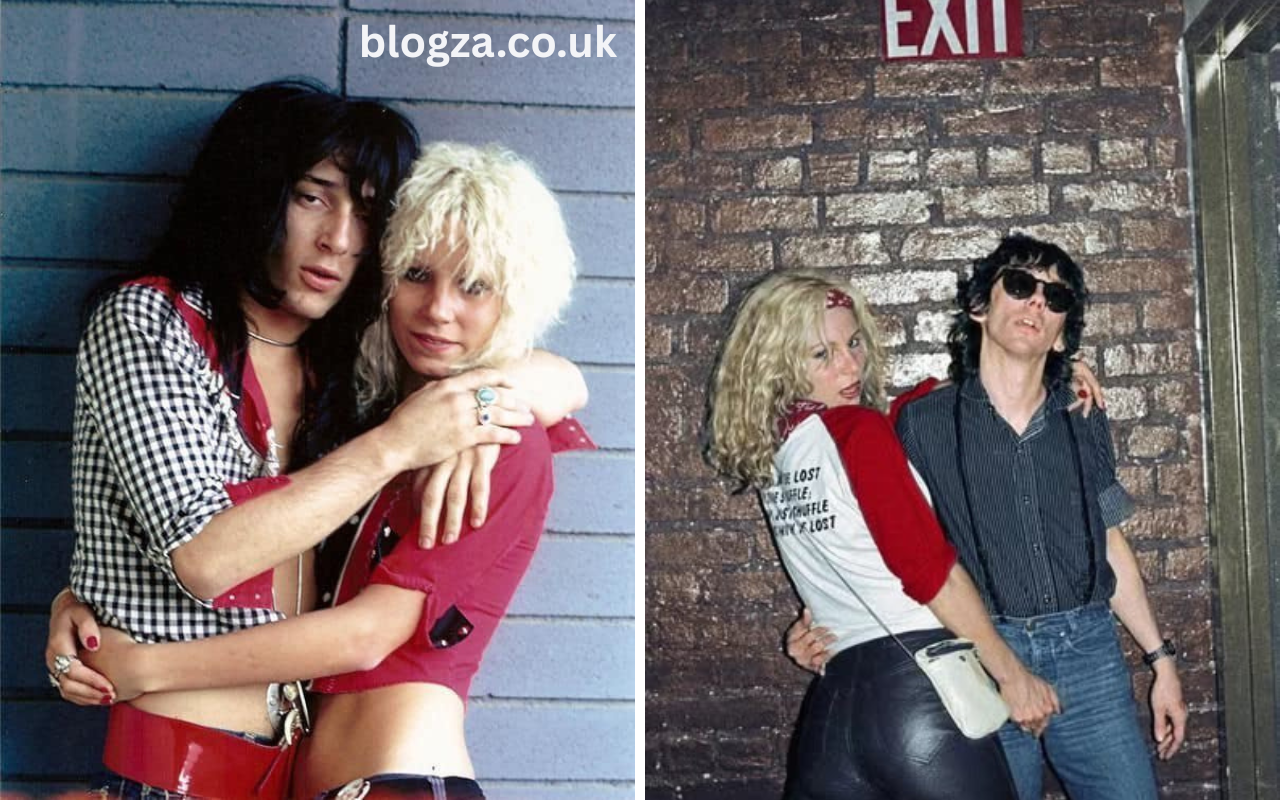
Her visibility increased as she was photographed and mentioned in connection with prominent musicians. This attention contributed to her reputation within the rock scene, making her one of the more recognizable figures among the youth culture surrounding glam and hard rock music in the 1970s.
Glam Rock Era and Cultural Environment
The glam rock era of the 1970s was defined by bold fashion, theatrical performances, and a blending of music and visual identity. Artists like David Bowie and bands such as The New York Dolls shaped a culture that emphasized style, rebellion, and artistic expression. Sable Starr existed within this vibrant and fast-moving environment.
Los Angeles became a central hub for this movement, especially along the Sunset Strip. The area was filled with clubs, record labels, and media outlets that documented the rise of new musical trends. Young fans like Starr were deeply embedded in this cultural space, often interacting directly with musicians and industry figures.
This era also reflected a lack of strict boundaries between public and private life in the music industry. The closeness between fans and performers was often seen as part of the rock lifestyle, though it later became a subject of criticism and reflection in historical analysis.
Public Image, Relationships, and Media Attention
Sable Starr’s public image was shaped largely by media portrayals and accounts from people within the rock scene. She was often described in connection with well-known musicians, and her name appeared in interviews and retrospective stories about the 1970s music world.
Her associations with various rock figures contributed to her reputation, although many of these stories are based on informal accounts rather than fully verified records. Over time, her name became part of the mythology surrounding the Sunset Strip and its celebrity culture.
This attention placed her in the center of public curiosity, making her one of the more talked-about personalities of the scene. However, it also meant that her identity was often defined by others rather than by her own voice or documented personal narrative.
Media Portrayal and Cultural Controversy
As years passed, discussions about Sable Starr became more critical, especially in relation to how the music industry treated young fans during the 1970s. The term “baby groupie” became associated with her era, raising concerns about exploitation and power imbalances within the rock culture.
Modern perspectives often analyze her story through the lens of social awareness and historical reflection. What was once glamorized in music journalism is now frequently re-examined with a focus on ethics and protection of minors in entertainment environments.
Despite controversy, her name continues to appear in cultural discussions about rock history. This ongoing attention highlights how her life represents both the excitement and the problematic aspects of the music industry during that period.
Life After Leaving the Spotlight
As she grew older, Sable Starr eventually stepped away from the Sunset Strip lifestyle. She moved away from the constant attention of the rock scene and transitioned into a more private life outside of Los Angeles nightlife.
Reports suggest she later lived a quieter and more conventional life compared to her teenage years in the music world. This shift reflects a common pattern among individuals who were once part of intense cultural environments and later sought distance from public attention.
Her departure from the scene marked the end of her visible association with the rock culture that had defined her early identity. Over time, she became less present in public discussions, though her name continued to appear in historical accounts.
Death and Later Recognition
Sable Starr passed away in 2009 at the age of 51 after battling brain cancer. Her death brought renewed attention to her life story, prompting revisits of her role in 1970s rock culture and the Sunset Strip scene.
Following her passing, articles and retrospectives re-examined her life from both historical and cultural perspectives. Many discussions focused on how her story reflects broader issues within the entertainment industry during that era.
Her death also contributed to the preservation of her name in rock history discussions, ensuring that she remains a recognized figure when analyzing the social dynamics of the glam rock period.
Read More: Adrian Brody Art: Inside the Creative World of a Hollywood Actor Turned Visual Artist
Legacy in Rock and Popular Culture
Sable Starr’s legacy is deeply tied to the cultural memory of the 1970s Los Angeles rock scene. She is often referenced in books, documentaries, and online discussions about the glam rock era and its surrounding lifestyle.
Her story continues to serve as a reference point for understanding the relationship between fame, youth culture, and the music industry. It also highlights how narratives can evolve over time as cultural values change and historical events are reinterpreted.
Today, she is remembered not only as a figure from rock history but also as part of a broader conversation about how the entertainment world has evolved. Her life remains a symbol of a complex era defined by creativity, excess, and reflection.