



Turkish Oil Wrestling: History, Culture, Rules, and Global Significance
Turkish oil wrestling, known as yağlı güreş, is one of the oldest and most fascinating traditional sports still practiced today. It is deeply rooted in Turkish heritage and is widely regarded as the national sport of Turkey. What makes it truly unique is the use of olive oil, which wrestlers apply generously to their bodies before competing, creating a slippery and highly challenging contest.
This ancient sport is not just about strength; it combines endurance, technique, and strategy in a way that sets it apart from modern wrestling styles. Wrestlers, called pehlivans, must rely on balance, timing, and intelligence to overcome their opponents. The oily surface makes gripping difficult, forcing competitors to think creatively during matches.
Over time, Turkish oil wrestling has become more than just a physical activity. It represents tradition, honor, and discipline. Today, it continues to attract both local and international audiences, keeping centuries-old customs alive while adapting to modern sports culture.
Historical Origins and Evolution
The roots of Turkish oil wrestling go back over 650 years, with influences from Central Asian Turkic traditions and the Ottoman Empire. Early forms of wrestling were practiced by nomadic tribes, who used it as a way to build strength and prepare for battle. As these tribes settled in Anatolia, the sport evolved into a structured and ceremonial activity.
One popular legend tells the story of Ottoman soldiers who wrestled during military campaigns to maintain morale. Two wrestlers reportedly fought for so long that they collapsed and died, leading to the creation of an annual event in their memory. This story is closely linked to the origins of the famous Kırkpınar festival.
As centuries passed, Turkish oil wrestling became an organized sport with rules, rituals, and formal competitions. Despite modernization, it has preserved its traditional essence, making it one of the rare sports that still maintains a direct connection to its historical roots.
The Famous Kırkpınar Oil Wrestling Festival
The Kırkpınar Oil Wrestling Festival is the most prestigious and iconic event in the world of Turkish oil wrestling. Held annually in Edirne, it is considered the oldest continuously running sporting event globally. This festival attracts hundreds of wrestlers and thousands of spectators every year.
The event usually takes place during the summer and lasts several days. Wrestlers compete in different categories, with the ultimate goal of becoming the başpehlivan, or chief wrestler. Winning this title brings immense honor and recognition, making it a dream for many competitors.
Kırkpınar is not just about wrestling; it is a cultural celebration filled with music, ceremonies, and traditions. The atmosphere reflects Turkish heritage, with rituals that have been preserved for generations. The festival has also gained international recognition, drawing tourists and sports enthusiasts from around the world.
Rules and Objectives of the Sport
Turkish oil wrestling follows a unique set of rules that distinguish it from other forms of wrestling. The main objective is to control the opponent and bring them into a position where they lose balance or are forced onto their back. Matches require patience, as quick victories are rare due to the slippery conditions.
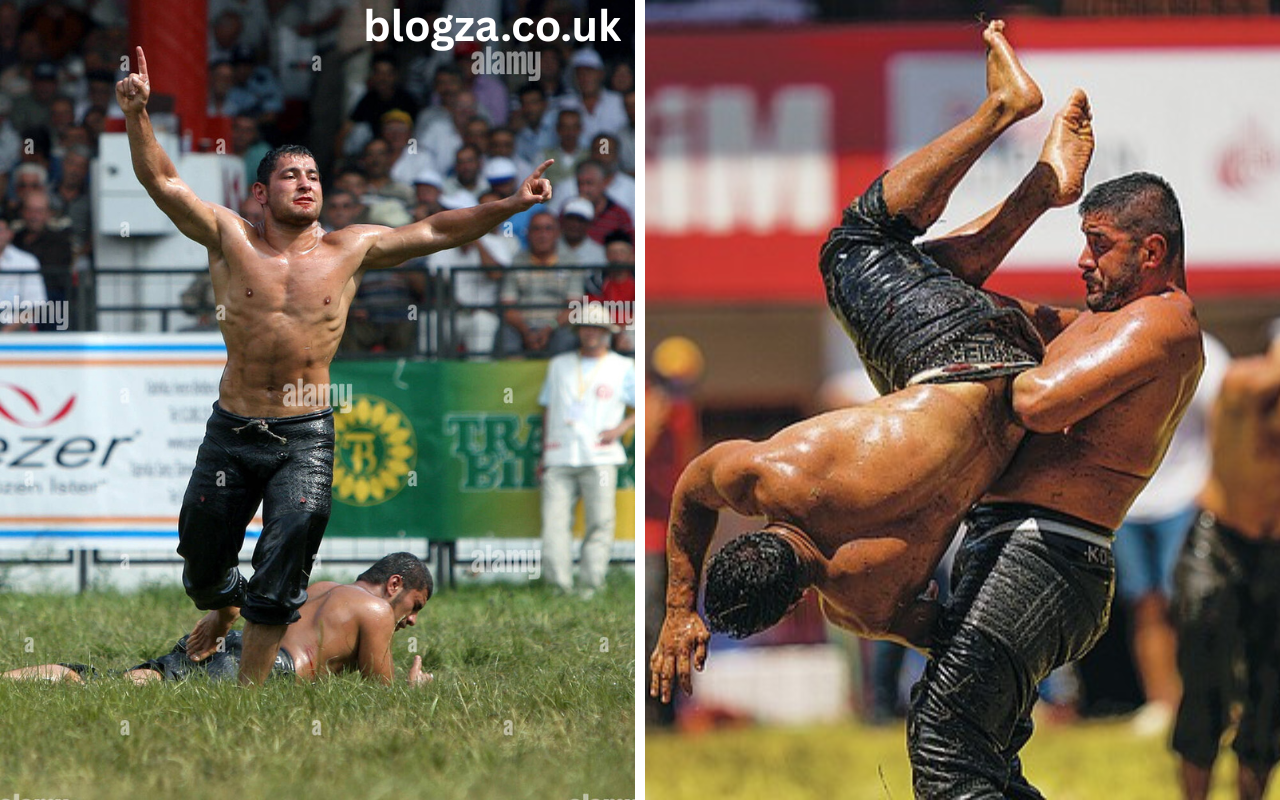
Because of the oil, wrestlers cannot rely on traditional grips. Instead, they use creative techniques, including holding onto the opponent’s kispet, which are leather trousers worn during matches. This adds a technical dimension that makes the sport highly strategic.
Modern competitions often include time limits to ensure matches remain engaging. However, historically, some matches lasted for hours or even days. Today, if no winner is determined within the time limit, judges or additional rounds help decide the outcome.
Traditional Attire and the Role of Olive Oil
One of the most distinctive aspects of Turkish oil wrestling is the attire worn by the wrestlers. They wear kispet, which are thick leather trousers made from animal hide. These trousers are durable and designed to withstand intense physical struggle.
The kispet plays a crucial role in the sport. Wrestlers often use it to gain leverage or control their opponent, making it an essential part of many techniques. Despite modern adaptations, the traditional design has remained largely unchanged.
Olive oil is equally important, as it is applied before and during matches. It increases the difficulty level and adds a ceremonial touch to the sport. The oil symbolizes purity and tradition, reinforcing the cultural significance of the competition.
Techniques and Strategies Used by Pehlivans
Turkish oil wrestling requires a unique combination of strength, flexibility, and intelligence. Wrestlers must adapt their techniques to the slippery conditions, which makes every match unpredictable. Traditional moves involve controlling the opponent’s balance rather than overpowering them.
One of the most notable strategies is inserting the hand into the opponent’s kispet to gain control. This technique requires precision and skill, as it can quickly turn the tide of a match. Wrestlers also focus on footwork and positioning to maintain stability.
A few key elements that define successful wrestlers include:
- Strong endurance to handle long matches
- Strategic thinking to outmaneuver opponents
- Excellent balance and coordination
These factors make Turkish oil wrestling a highly demanding sport that challenges both the body and mind.
Cultural Importance and Symbolism
Turkish oil wrestling is deeply embedded in the cultural fabric of Turkey. It represents values such as respect, honor, and brotherhood. Wrestlers often perform a ceremonial warm-up called peşrev, which includes rhythmic movements and gestures symbolizing respect and readiness.
The sport also emphasizes humility and tradition. It is common for wrestlers to show respect to their elders and opponents, regardless of the outcome of the match. These customs highlight the moral and ethical aspects of the sport.
Beyond the competition, oil wrestling serves as a connection between generations. It preserves cultural identity and allows communities to celebrate their heritage. This cultural significance is one of the reasons why the sport continues to thrive today.
Training and Lifestyle of Wrestlers
Becoming a successful pehlivan requires years of dedication and discipline. Wrestlers typically begin training at a young age, often under the guidance of experienced mentors. Their training focuses on building strength, stamina, and technical skills.
Daily routines include physical conditioning, practice matches, and learning traditional techniques. Wrestlers also pay attention to their diet and lifestyle to maintain peak performance. The demanding nature of the sport requires both physical and mental preparation.
Mental strength plays a crucial role in Turkish oil wrestling. Matches can be long and exhausting, requiring patience and focus. Wrestlers must stay calm under pressure and adapt their strategies as the match progresses.
Modern Popularity and Global Reach
Despite its ancient origins, Turkish oil wrestling remains popular in the modern world. It continues to be widely practiced in Turkey, with numerous local and regional competitions held throughout the year. The sport has also gained attention from international audiences.
Cultural festivals and global media coverage have helped introduce oil wrestling to new regions. Demonstrations and events are now आयोजित in various countries, allowing people to experience this unique tradition firsthand.
Its recognition as an important cultural heritage has further boosted its global appeal. As more people learn about Turkish oil wrestling, its influence continues to grow beyond national borders.
Read More: Melyssa Davies: A Complete Insight into Her Life, Career, and Relationship with James Murray
Why Turkish Oil Wrestling Stands Out
Turkish oil wrestling is truly one of a kind. Its combination of history, culture, and physical challenge makes it unlike any other sport in the world. The use of olive oil, traditional attire, and ceremonial rituals creates a unique and memorable experience.
The sport also stands out because of its emphasis on endurance and technique. Matches are not just about strength but require intelligence and strategy. This balance makes it both challenging and captivating for participants and spectators alike.
In a rapidly modernizing world, Turkish oil wrestling remains a symbol of tradition and heritage. Its ability to preserve ancient customs while staying relevant today ensures that it will continue to be celebrated for generations to come.