




Debbie Wahlberg: The Untold Story of the Wahlberg Family’s Guardian Angel
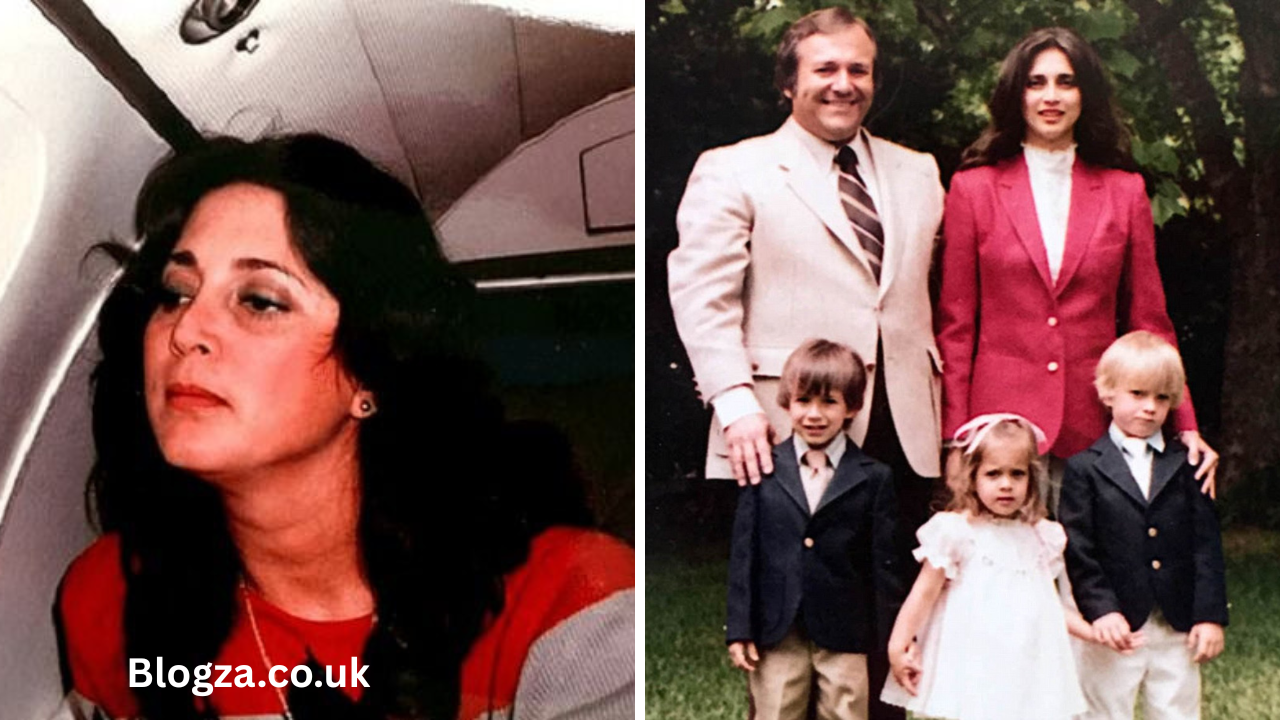
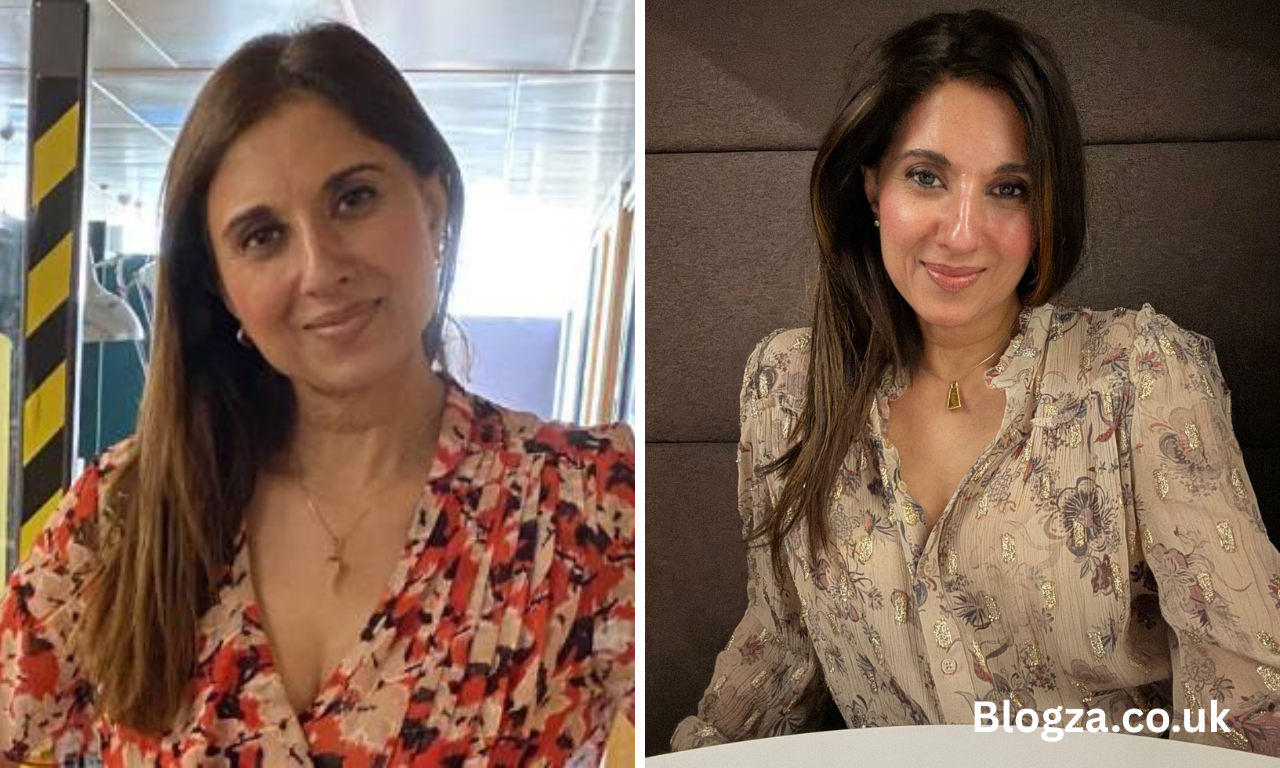
Debbie Wahlberg remains one of the most mysterious yet deeply significant figures in one of America’s most famous families. While the world knows Mark Wahlberg as a Hollywood powerhouse and Donnie Wahlberg as a pop icon and television star, Debbie chose a radically different path. She was born Deborah Ellen Wahlberg on July 8, 1960, in the Dorchester neighborhood of Boston, Massachusetts, as the first child of Donald and Alma Wahlberg. Growing up in a bustling, working-class household, Debbie quickly learned the values of responsibility, privacy, and family loyalty. Unlike her younger siblings who would chase fame and fortune, Debbie found contentment in the ordinary rhythms of life in Boston, staying close to her roots even as the Wahlberg name became a global brand.
The Wahlberg family home in Dorchester was not an easy place to grow up. With nine children eventually filling the small space, money was tight, and resources were scarce. Donald Wahlberg Sr. worked as a delivery driver while Alma took on multiple jobs as a bank clerk and nurse’s aide to make ends meet. As the eldest daughter, Debbie naturally assumed a caretaking role from a very young age. She helped her mother manage the household, watched over her younger siblings, and provided a sense of stability that would prove invaluable in the years to come. This early responsibility shaped Debbie into a private, grounded woman who never sought external validation or public attention.
The streets of Dorchester in the 1960s and 1970s were tough, filled with challenges that would later inspire her brothers’ artistic work. Films like The Fighter and the reality series Wahlburgers have given the world glimpses into that environment, but Debbie lived it without the filter of a camera lens. She witnessed her parents’ divorce in 1982, saw her brothers get into trouble with the law, and watched as Donnie and Mark began their meteoric rises to stardom. Through it all, Debbie remained a steady, unshakable presence. She was the sister who remembered birthdays, who kept family secrets safe, and who never once asked for a single dollar or a moment of fame in return.
The Wahlberg Family Tree and Debbie’s Unique Position
The Wahlberg family consists of nine surviving children, and Debbie held the distinguished position of being the very first. Her siblings include Arthur, Paul, Jim, Robert, Tracey, Michelle, Donnie, and Mark. Each of these siblings has carved out their own identity, from Chef Paul Wahlberg’s culinary empire to Donnie’s acting and music career, and Mark’s production company and fitness ventures. However, Debbie’s role was entirely different. She was not a performer, a chef, or a reality television personality. She was simply the big sister, and that role carried more weight than any Grammy or Oscar could ever bestow. In large families, the eldest child often becomes a secondary parent, and Debbie fulfilled that duty with quiet grace.
Paul Wahlberg, who runs the successful Wahlburgers restaurant chain, has often spoken about the importance of family hierarchy. Debbie was above him in age and in the unspoken order of the household. When Paul was learning to cook in their mother’s kitchen, Debbie was likely the one setting the table or cleaning up afterward. When Donnie was a young teenager discovering his love for music, Debbie was already an adult, watching from the sidelines with a mixture of pride and concern. This dynamic meant that Debbie experienced her brothers’ fame from a unique vantage point. She saw the hard work behind the scenes, the rejections, the small victories, and the eventual global success, all without ever feeling the need to step into the spotlight herself.
The bond between Debbie and her sisters Tracey and Michelle was particularly strong. The three Wahlberg sisters formed a private support network within the larger family structure. While the brothers were often competing for attention in music, film, and business, the sisters focused on maintaining the family’s emotional health. They organized holidays, cared for their mother Alma during her later years, and ensured that the family remained connected despite the geographical distances that fame often creates. Debbie was the quiet leader of this sisterly trio, the one who had the longest memory and the deepest understanding of where the family came from. Her absence after 2003 left a gap that could never truly be filled.
Debbie Wahlberg’s Private Life and Career Choices
One of the most striking aspects of Debbie Wahlberg’s life is how little is known about her professional career. This lack of information is not an accident but a deliberate choice. Unlike her siblings who built public personas, Debbie worked in relative obscurity, likely in administrative or service roles that did not attract media attention. She understood the value of a quiet life in an era when reality television and celebrity culture were beginning to explode. Even when the A&E series Wahlburgers debuted, giving fans an inside look at the family’s dynamics, Debbie was notably absent. She was not estranged from the family. On the contrary, she simply had no interest in performing her life for an audience.
Debbie’s decision to stay in Massachusetts while her brothers moved to Los Angeles, New York, and other entertainment hubs speaks volumes about her character. She loved her hometown and the familiarity of her surroundings. She valued face-to-face relationships over red carpet appearances. While Mark was filming blockbusters like The Italian Job and Donnie was working on his acting craft, Debbie was likely attending family barbecues, helping a neighbor, or simply enjoying a quiet evening at home. This contrast between her life and her brothers’ lives highlights a broader truth about the Wahlberg family. Not everyone wanted the fame. Debbie Wahlberg wanted peace, and she achieved it.
Financial records and public documents suggest that Debbie did not amass significant wealth. Her net worth was modest, especially when compared to Mark’s hundreds of millions or Donnie’s substantial earnings. She did not own luxury yachts or multiple mansions. She did not appear in music videos or endorse products. Her wealth was measured in relationships, not dollars. In a family known for its entrepreneurial spirit and financial success, Debbie stood out as a reminder that money and fame are not the only measures of a life well lived. She was rich in love, rich in family connections, and rich in the quiet dignity of someone who knew exactly who she was and never wanted to be anyone else.
The Medical Crisis and Hospitalization in 2003
The year 2003 began like any other for the Wahlberg family. Debbie was going about her daily life, staying connected with her siblings, and enjoying the simple pleasures of being an aunt to her many nieces and nephews. However, during the summer of that year, Debbie began experiencing severe pain related to kidney stones. Kidney stones are a common medical condition, affecting millions of people each year. They can often be managed with medication, hydration, and in some cases, surgical intervention. Debbie’s condition, unfortunately, proved to be more complicated. She sought medical attention at a Boston clinic, where doctors determined that she needed a procedure to address the stones and prevent further complications.
What should have been a routine surgery turned into a nightmare. During the procedure, Debbie’s body reacted severely. She developed a bloodstream infection that rapidly escalated into sepsis. Sepsis is a life-threatening condition that occurs when the body’s response to an infection causes widespread inflammation, leading to tissue damage, organ failure, and dangerously low blood pressure. In Debbie’s case, the infection spread quickly, overwhelming her immune system. Despite the best efforts of the medical team, her condition continued to deteriorate. Family members rushed to the hospital, hoping for a miracle, but the damage had already been done.
On September 2, 2003, Debbie Wahlberg passed away at the age of forty three. The official cause of death was septic shock, a complication arising from the kidney stone surgery. The news devastated the Wahlberg family, who had not anticipated losing their beloved sister in such a sudden and traumatic manner. For Alma Wahlberg, losing a child was the worst nightmare a parent could face. For Donnie, Mark, Paul, and the other siblings, it was a brutal reminder of life’s fragility. The family released a brief statement asking for privacy as they mourned, and the public response was one of genuine sympathy for a family that had given so much to entertainment and now faced an unthinkable loss.
The Tragic Coincidence of September 2, 2003
September 2, 2003, will forever be etched in Wahlberg family history as a day of unbearable duality. On that same day that Debbie Wahlberg took her last breath, Mark Wahlberg’s longtime girlfriend, model Rhea Durham, gave birth to their first child. The baby was a healthy girl, and they named her Ella Rae Wahlberg. For Mark, the news came as a devastating emotional collision. In one moment, he was receiving congratulations on becoming a father. In the next, he was being told that his eldest sister was gone. The hospital hallways likely echoed with both the cries of a newborn and the sobs of grieving family members. It was joy and sorrow wrapped into a single, confusing, painful package.
This coincidence has been described by the family as both a curse and a blessing. The curse was obvious. No family should have to bury a sister on the same day they welcome a daughter. The blessing, however, emerged over time. Mark Wahlberg began to speak publicly about the idea that Debbie had passed away precisely so that she could become a guardian angel for baby Ella. This belief transformed the tragedy into a spiritual narrative that provided comfort. Rather than seeing the two events as competing sorrows, the family chose to see them as connected. Debbie left this world just as Ella entered it, as if passing the torch of love and protection from one generation to the next.
Rhea Durham, who would later become Mark’s wife, supported this view wholeheartedly. She raised Ella with the knowledge that she had a guardian angel watching over her, an aunt she would never meet in person but who would always be present in spirit. The extended Wahlberg family adopted this perspective as well. Every year on September 2, they experience a mix of grief and celebration. They mourn Debbie’s absence while celebrating Ella’s life. This emotional complexity has made the Wahlbergs more relatable to fans who have experienced similar losses. Death and birth are two sides of the same coin, and the Wahlbergs learned that lesson in the most painful way imaginable.
Mark Wahlberg’s Emotional Tribute and the Guardian Angel Legacy
Over the years, Mark Wahlberg has used his massive social media platform to keep Debbie’s memory alive. Perhaps the most touching moment came on September 2, 2021, when his daughter Ella turned eighteen years old. On that day, Mark posted a photograph on Instagram that captured the bittersweet nature of their family history. The image showed a young Mark holding baby Ella with a smile on his face, juxtaposed next to a framed photograph of him hugging Debbie. The caption read, Happy B day my Ella. Eighteen years old, wow how time flies. So proud of you. Always a bitter sweet day. Missing my big sister Debbie, Ella’s Guardian angel. This post received millions of likes and thousands of comments from fans around the world who were moved by the raw honesty.
The phrase guardian angel has since become inseparable from Debbie Wahlberg’s legacy. It is not just a poetic turn of phrase for the Wahlbergs. They genuinely believe that Debbie’s spirit watches over Ella and the rest of the family. This belief has shaped how they approach holidays, birthdays, and family gatherings. When Alma Wahlberg passed away in April 2021 at the age of seventy eight, Donnie and Mark both posted tributes that referenced Debbie welcoming their mother into heaven. The idea of Debbie waiting on the other side provided solace during that difficult time. It created a sense of continuity, that death was not an ending but a reunion.
Mark’s willingness to be vulnerable about his sister’s death has also helped destigmatize conversations about grief and loss. He is known for playing tough, no-nonsense characters in films like The Departed, Lone Survivor, and Patriots Day. But in real life, he is a man who misses his big sister. He cries on anniversaries. He holds his daughter tighter on September 2. This authenticity has endeared him to fans who see past the celebrity facade. Debbie’s legacy, therefore, extends beyond her immediate family. Through Mark’s words, she has become a symbol of sibling love, of the pain of unexpected loss, and of the hope that our loved ones never truly leave us.
Donnie Wahlberg and the Siblings’ Shared Grief
While Mark’s experience of losing Debbie was tied to the birth of his daughter, Donnie Wahlberg’s grief followed a different path. Donnie, who rose to fame as a member of New Kids on the Block in the late 1980s and later became a respected actor on shows like Blue Bloods, has always been vocal about his working-class roots and his loyalty to his family. Losing Debbie meant losing the person who remembered him before the screaming fans, before the platinum records, before the Hollywood Walk of Fame. She knew him as Donnie from Dorchester, the kid who loved music but still had to do his chores. That kind of grounding presence is irreplaceable, and Donnie has spoken in interviews about how her death changed his perspective on fame and success.
In the years following 2003, Donnie became more intentional about spending time with his remaining siblings. He made a point of visiting Alma regularly, understanding that a mother who loses a child needs extra love and attention. He also deepened his relationship with Paul, Jim, Robert, Arthur, Tracey, and Michelle, recognizing that the Wahlberg family unit was smaller and more precious than ever before. Debbie’s absence created a void that could not be filled, but it also brought the surviving siblings closer together. They began to prioritize family dinners, holiday gatherings, and simple phone calls, knowing that life is unpredictable and that tomorrow is never guaranteed.
Donnie has also paid tribute to Debbie through his charitable work and public appearances. While he does not speak about her as frequently as Mark does, the love is evident in his actions. He named his production company after his mother, but his heart carries Debbie’s memory. When the Wahlberg family appears together at premieres or charity events, there is often a quiet acknowledgment that one chair remains empty. Donnie has learned to carry that grief with him, using it as fuel to be a better brother, a better husband, and a better father. Debbie’s death taught him that family is not just about blood. It is about showing up, being present, and loving fiercely while you still have the chance.
Read More: Sanaa Chappelle: The Untold Story of Dave Chappelle’s Daughter
Alma Wahlberg’s Heartbreak and the Mother-Daughter Bond
No relationship is more profound than that between a mother and her firstborn child. Alma Wahlberg, who became a beloved figure in her own right through the reality series Wahlburgers, shared a special connection with Debbie. When Alma gave birth to Debbie in 1960, she was a young woman navigating the challenges of marriage and poverty. Debbie was her partner in survival during those early, difficult years. As more children arrived, Debbie helped Alma manage the chaos, but the bond between mother and eldest daughter remained unique. Alma often said that Debbie had her mother’s heart, that she understood things without needing words. When Debbie died, a part of Alma died too.
Alma lived for nearly eighteen more years after Debbie’s passing, passing away in April 2021. During those years, she carried her grief with dignity. She rarely spoke about Debbie in public interviews, preferring to keep that pain private. But those close to the family knew that Alma visited Debbie’s grave regularly. She kept photographs of Debbie in her home, and she never stopped